GMG Upcoming Events
- >> Click here for upcoming event details! <<
- 10/26: "Share a Book" Discussion, 2pm, GSC
- 11/2: Pickleball, 2pm, LHCC
- 11/3 (Tuesday): Breakfast Group, 9:30am, Serendipity Cafe
- 11/3: (Tuesday): Planning Group Meeting, 2pm, GSC
- 11/9: Elderhood Discussion - "Sleep for Better Health", 2pm, GSC
- 11/16: Bocce Ball, 2pm, WPLBC
- 11/23: Piper's Creek Salmon Run, 2pm, Carkeek Park
- WOW! 11/30: Amazing Vitality Secrets from Our 95-Year-Old Neighbor, 2pm, GSC
- 12/7: Pickleball, 2pm, LHCC
- 12/14: Elderhood Discussion - "Loneliness & Friendship", 2pm, GSC
- 12/21: Bocce Ball, 2pm, WPLBC
- 12/28: Special Movie, 2pm, GSC
- Other possible events for 2026-2027
- Missed an event? Find out what happened here!
Senior Men Enjoy the Wonders of Storytelling
Heard any good stories lately? Of course. Do you know any good stories? Of course you do. We all do. But why?
Stories have been with us since the dawn of humanity. Storytelling is the fundamental way we process life, build communities, and pass down survival information. Our brains are wired for narratives rather than dry data.
Before written history, oral traditions were a key to human survival. Traditional fables (like the African Anansi tales) allowed societies to illustrate danger, morality, and social rules.
This unique evolutionary trait serves several critical psychological, social, and biological functions.
1. Human memory relies heavily on narrative structure. Listening to a compelling story triggers the release of oxytocin in the brain. This hormone promotes trust, deepens comprehension, and simulates real-world emotional connections.
2. Stories act as a psychological bridge between us. As the saying goes, "The quickest path between yourself and another person is a story." Stories also give us a sense of shared humanity; by stepping into a character's perspective, listeners can safely experience different cultures, ideas, and emotions. This builds real-world compassion and bridges differences even when people disagree. Narratives provide a sense of belonging, personal agency, and psychological purpose.
3. Stories act as historical vessels for communities. They pass down customs, language, beliefs, and generational values across millennia.
The Role of Storytelling for Senior Men
Why should we older guys care about stories or narratives? Well, according to the research, storytelling -- both in sharing our personal histories and listening to mythic tales -- serves as a vital tool for psychological resilience, identity preservation, and emotional processing.
As we navigate the transitions of later life -- such as retirement, shifting social roles, and confronting mortality -- narratives offer a structured framework to make sense of a changing world.
The value of storytelling can be understood across personal, social, and psychological dimensions:
1. The Value of Mythic Tales ("Men's Work")
In contemporary men's groups and psychological frameworks, traditional myths are frequently utilized for deep emotional exploration.
- Safe Psychological Distance: Mythic tales "hold the heat" of intense emotional themes. An older man can examine heavy personal themes -- such as a complex relationship with his own father, career failures, or grief -- through a legendary character without the vulnerability feeling too acute or threatening.
- Permission to Transform: Archetypal journeys (e.g., pulling the sword from the stone) remind older men that change and reinvention are possible at any stage of life.
- A Roadmap for Aging: Myths provide structured archetypal patterns: the wound, the descent, the gathering of gifts, and the return. For a man facing the "descending" chapter of physical or social decline, myth re-contextualizes this stage not as an end, but as a necessary phase to uncover elder wisdom.
2. Identity, Agency, and Legacy
As men age, society often begins to define them primarily by their medical needs or their past professional roles.
- Reclaiming Autonomy: Storytelling allows men to reassert who they are beyond their current age or physical limitations. Recounting past adventures, accomplishments, and resilience restores a sense of pride and personal agency.
- Generational Value Transfer: Men often use repeated storytelling as an intentional strategy to pass down core values, ethical frameworks, and family histories to younger generations. This helps fulfill a deep human need to leave a lasting, non-material legacy.
- Processing Old Trauma: Men who have carried dark histories, or the invisible burdens of war and tragedy, frequently use the later chapters of life to finally articulate these memories. Sharing these narratives serves as a mechanism for coming to terms with past trauma.
3. Cognitive and Social Benefits
Participating in storytelling circles or sharing narratives produces cognitive and emotional improvements:
- Mitigating Isolation: Older men are at a higher risk for social isolation. Gathering to exchange stories breaks down loneliness and building deep social bonds through shared mutual experiences.
- Neurological Stimulation: The act of structuring a story -- recalling vocabulary, sequencing events, and managing syntax -- exercises your brain, helps delay cognitive decline, and sharpens memory.
- Alternative to Traditional Therapy: Some men don't feel a need for clinical therapy. Storytelling serves as a highly accessible, natural alternative that may provide mental health benefits similar to counseling.
Northwest Storytellers
Did you know there are a number of "career" storytellers right here in the Northwest? We'll list just a few of them to give you a flavor of what they talk about.
John Berks
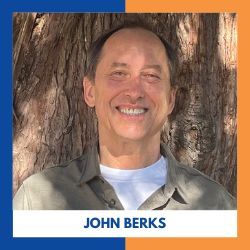
John teaches "The Wisdom of Folktales" at North Seattle College. Through live, drummed performances, John shares powerful folktales and then guides thoughtful conversations about their meaning using Jungian ideas. He tells stories like Skeleton Woman from the Inuit tradition, Prince Lindworm from Scandinavia, The Handless Maiden from the Brothers Grimm, and Elk Dog from Native American tradition.
We hope to have John come to a future Greenwood men's group meeting so that we can hear and share in some of his stories.
John’s own path to storytelling started in comparative literature, shifted into computers, and later grew from a deep interest in Carl Jung. His superpower is telling stories that stay with you long after the telling ends.
In the video below, Joseph Campbell, the renowned mythologist and storyteller, briefly describes the Jungian perspective on self and myth.
Johnny Moses
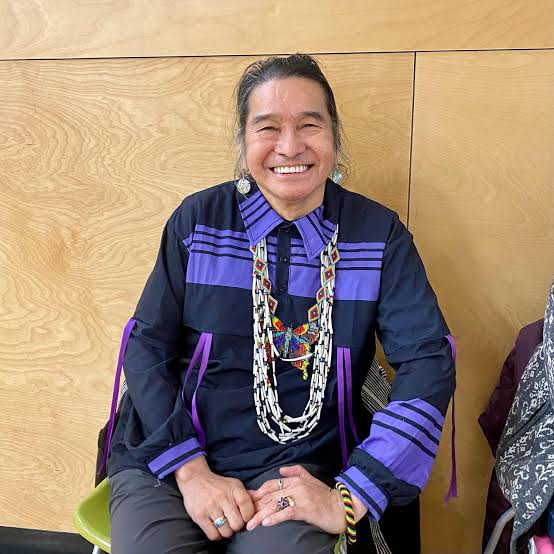 Johnny Moses
Johnny is a Tulalip native American raised on Vancouver Island. He was raised in the traditional ways by his grandparents, and sent by his elders to share their teachings with all people. He is a master storyteller, oral historian, traditional healer and respected spiritual leader.
In the video below, he tells a short story from his younger days as a storyteller.
More recently, Johnny Moses relates several stories, including his adventures at a boarding school for native Americans. He is a very entertaining fellow and you'll probably get a few chuckles from the video below.
Ray Stothers
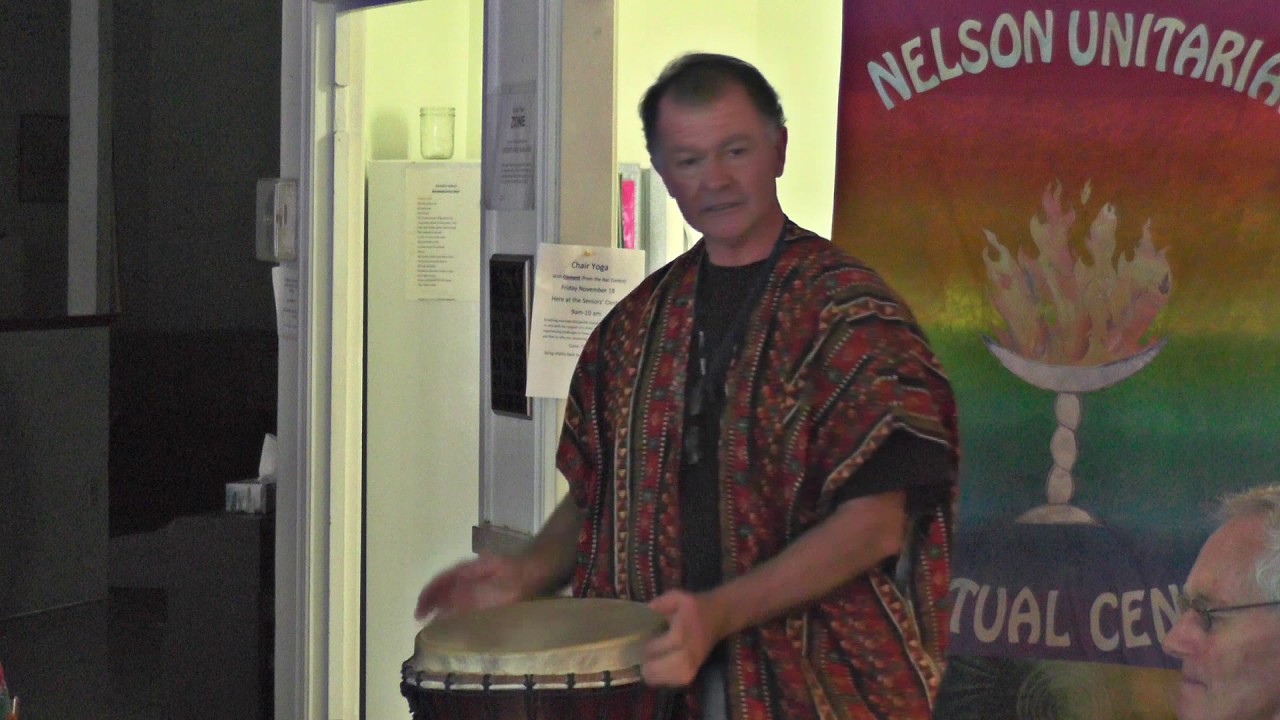 Ray Stothers
Ray is a Canadian master storyteller, community builder, and mentor who co-founded the Nelson Storytelling Guild. Transitioning from a background in economics and physical education, Stothers has spent decades utilizing the oral tradition as a powerful modality for community connection and emotional healing.
In his workshops and presentations, he advocates for leaning into awkwardness as a tool for self-reflection and growth, mentoring people to bridge the gap between "head, heart, and spirit".
You might like these
Priorities and concerns of older men
Are your health and other concerns the same as other senior men?
Older Men's Life Issues. Let's Solve Them Together
Seattle Senior Men deal with life-changing issues.
What is the nature of character in a man?
We develop character as we get older. What can you offer the younger generation?
As a senior man, are you prepared for a medical emergency?
Six ways to prepare for an unforeseen medical emergency
Do older men matter to anyone?
Men matter if they feel important, valued and needed by others



The mission of of seattleseniormen.com and greenwoodmensgroup.com is to provide a supportive environment where men from diverse backgrounds can foster camaraderie, develop friendships, share wisdom, enrich one another's lives -- and contribute to all Seattle communities, including Greenwood, Ballard, Crown Hill, Fremont, Green Lake, Licton Springs, Loyal Heights, Magnolia, Phinney Ridge, Ravenna, Sunset Hill, Wallingford, Wedgwood, Whittier Heights. Bitter Lake, Broadview, Haller Lake, Queen Anne, and beyond.
Recent Articles


-
Storytelling helps senior men understand their world
Oct 25, 26 01:29 AM
Older men enjoy telling stores and hearing stories of others, including mythic tales -
Greenwood Men's Group in Seattle - Archive of Past Events
Oct 20, 26 12:14 AM
Here's what happened in past events of the Greenwood Men's Group in Seattle -
Life lessons from senior men on the way to100
Oct 18, 26 07:59 PM
What aging men have learned about life