GMG Upcoming Events
- >> Click here for upcoming event details! <<
- 9/21: Bocce Ball, 2pm, WPLBC
- 9/28: Build Tiny Houses, 9am-2pm
- 10/5: Pickleball/Cornhole, 2pm, LHCC
- 10/6 (Tuesday): Breakfast Group, 9:30am, Pacha Cafe
- 10/6 (Tuesday): Planning Group Meeting, 2pm, GSC
- 10/12: Elderhood: "Joy, Curiosity and Growth", 2pm, GSC
- 10/19: Bocce ball, 2pm, WPLBC
- 10/26: Murder Mystery Game program, 2pm, GSC
- 11/2: Pickleball, 2pm, LHCC
- 11/3 (Tuesday): Breakfast Group, 9:30am, Serendipity Cafe
- 11/9: Piper's Creek Salmon Run, 2pm, Carkeek Park
- 11/16: Bocce Ball, 2pm, WPLBC
- 11/23: Amazing Vitality Secrets from Our 95-Year-Old Neighbor, 2pm, GSC
- 11/30: "Show & Tell", 2pm, GSC
- 12/3 (Thursday): Elderhood - Loss & Grief, 2pm, GSC
- 12/7: Pickleball, 2pm, LHCC
- 12/14: "Senior Olympics", 2pm, GSC
- 12/21: Bocce Ball, 2pm, WPLBC
- 12/28: Special Movie, 2pm, GSC
- Other possible events for 2026-2027
Missed an event? Find out what happened here!
How Much Do You Matter to Others?
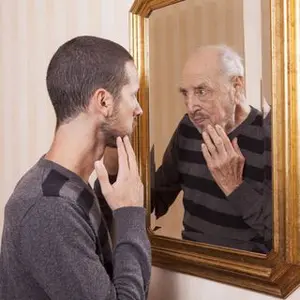
As we get older, some of us can feel a little bit invisible, like a nobody. People hardly notice you. Maybe you wonder whether you're still perceived as worthwhile and valued by others. If so, your well-being is at stake.
Across our later life course, mattering refers to the felt experience of being important, valued, and needed by others, in ways that affirm your worth and ongoing social relevance.
It is distinct from, but related to, self‑esteem and belonging.
For older men, mattering is a multifaceted sense of being noticed, valued, and needed --interpersonally, communally, and sometimes spiritually -- that can be strengthened or undermined by family roles, social networks, services, technology, and cultural attitudes toward aging.
It is a central, yet often overlooked, determinant of late‑life well‑being.
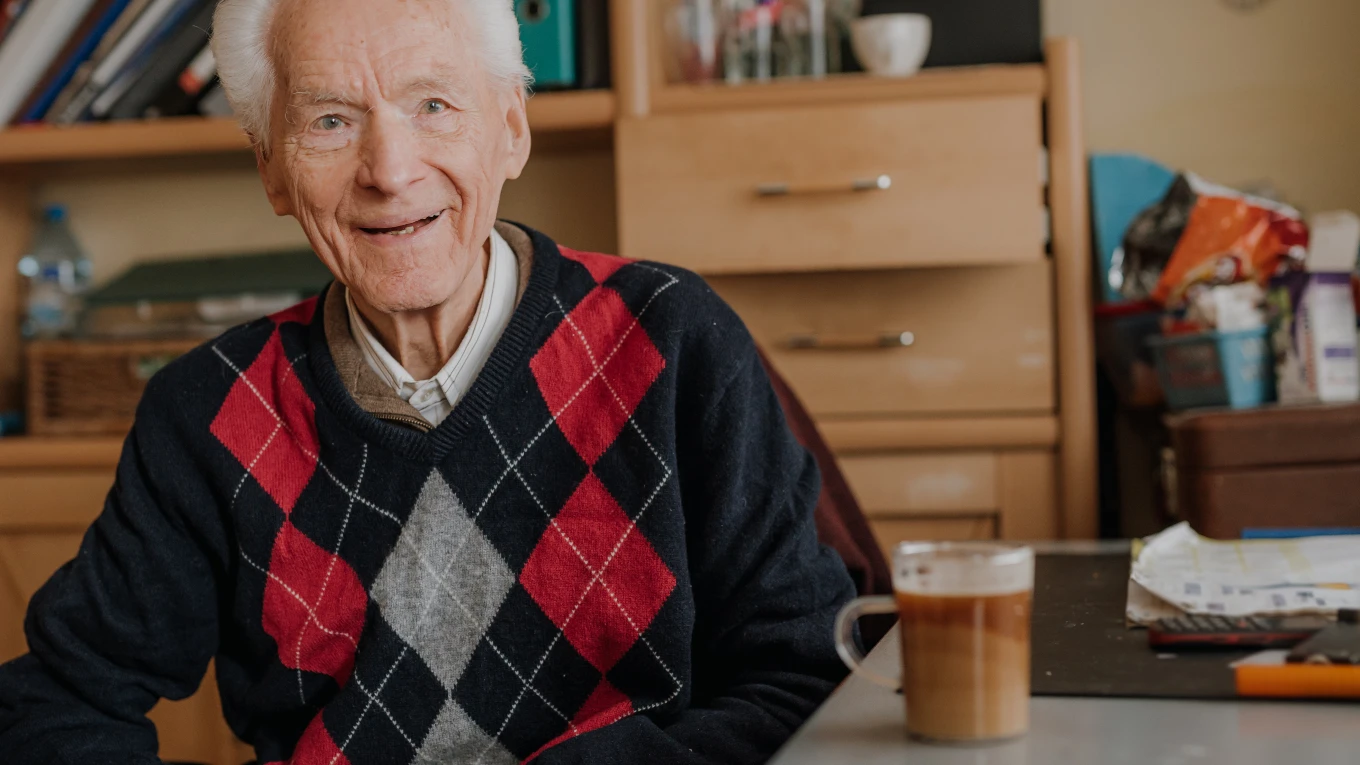 Hey! I really matter to others!
Whether you matter is a central, yet often overlooked, determinant of late‑life well‑being.
What Exactly is Mattering?
- Mattering is commonly defined as feeling valued and adding value to self and others.
- It involves perceptions that others depend on, are interested in, pay attention to, and are concerned with your fate and future.
- For older adults, it often means being seen as more than “expendable” or “disposable,” especially in contexts of ageism, health decline, or crisis such as the COVID‑19 pandemic.
How Mattering Is Experienced in Later Life
Older people report mattering through several recurring pathways. How are these pathways working for you?
- Close relationships and family roles: Older adults often feel they matter most to children, friends, and close others; these relationships are major sources of validation and wellness.
- Contribution and usefulness: Perceiving that one “makes a difference in the world” through caregiving, volunteering, community work, or age‑friendly initiatives sustains a sense of social value and purpose.
- Religious and spiritual frameworks: Religious involvement and beliefs in a caring, controlling God can enhance the sense that one matters, both to the divine and through religious communities.
- Community and services: Fair, respectful treatment and opportunities to both receive support and contribute to others within services (e.g., substance use recovery, health and social care) foster mattering; being ignored or disrespected conveys not mattering.
- Digital and social connectivity: Use of information and communication technologies (e.g., Facebook, other information technologies) can support mattering by sustaining social contact and feelings of being acknowledged and relied upon.
Loss and Threats to Mattering in Old Age
Mattering is especially vulnerable in later life because of:
- Retirement and loss of other roles in life.
- Bereavement and shrinking social networks (“the fleet shrinks”).
- Declining mobility or health that limits caregiving, volunteering, or community participation.
- Ageist messages portraying older people as burdens or less worthy of protection or care.
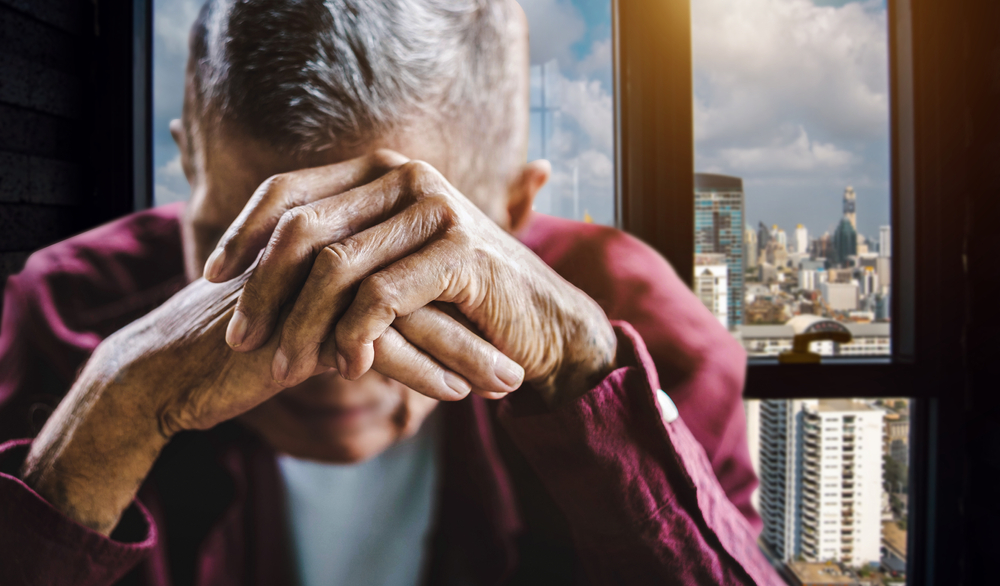
These changes can produce a painful “loss of mattering”, in which older adults feel no longer needed, included, or significant to others, even when the need to matter remains strong.
Why Mattering Matters for Senior Men
Research consistently shows that a stronger sense of mattering in late life is:
- Protective for mental health: Higher mattering is linked to less depression and suicidal ideation, and to better psychological well‑being, life satisfaction, and positive affect.
- Related to loneliness and social connection: Mattering is negatively associated with loneliness and social disconnection; it is a key psychosocial resource for socially at‑risk groups (e.g., those living alone or childless).
- Relevant to physical health and stress: Mattering has been associated with better self‑rated health, lower stress, and more favorable biological risk profiles in older adults, in part through its links to social engagement and purpose.
In essence, mattering for older men is about continuing to be a vital, interconnected part of life, not just existing, but actively making a difference to themselves and others.
Let's get on with it! This why the Greenwood men's group exists. You matter to this group. The Greenwood men's group hopes to see you soon.
References
- Bahl, N., Nafstad, H., Blakar, R., Øversveen, E., Brodahl, M., Ness, O., & Prilleltensky, I. How older adults recovering from substance use problems experience mattering. BMC Health Services Research. 2023; 23.
- Scarpa, M., Zopluoglu, C., & Prilleltensky, I. Mattering in the community: Domain and demographic differences in a US sample.. Journal of community psychology. 2021
- Dixon, A. Mattering in the Later Years: Older Adults' Experiences of Mattering to Others, Purpose in Life, Depression, and Wellness. Adultspan Journal. 2007; 6.
- Schieman, S., Bierman, A., & Ellison, C. Religious involvement, beliefs about God, and the sense of mattering among older adults.. Journal for the scientific study of religion. 2010; 49 3.
- Flett, G., & Heisel, M. Aging and Feeling Valued Versus Expendable During the COVID-19 Pandemic and Beyond: a Review and Commentary of Why Mattering Is Fundamental to the Health and Well-Being of Older Adults. International Journal of Mental Health and Addiction. 2020; 19.
- Flett, G. An Introduction, Review, and Conceptual Analysis of Mattering as an Essential Construct and an Essential Way of Life. Journal of Psychoeducational Assessment. 2021; 40.
- Hupkens, S., Machielse, A., Goumans, M., & Derkx, P. Meaning in life of older persons: An integrative literature review. Nursing Ethics. 2018; 25.
- Froidevaux, A., Hirschi, A., & Wang, M. The role of mattering as an overlooked key challenge in retirement planning and adjustment. Journal of Vocational Behavior. 2016; 94
- Cao, Q., Pope, N., & Greenfield, E. “I’m Part of Something That Matters”: Exploring What Older Adults Value Through Their Engagement in Age-Friendly Community Initiatives. Journal of Gerontological Social Work. 2024; 67.
- Irving, J., Davis, S., & Collier, A. Aging With Purpose: Systematic Search and Review of Literature Pertaining to Older Adults and Purpose. The International Journal of Aging and Human Development. 2017; 85.
- Nilsen, E., Hollister, B., Söderhamn, U., & Dale, B. What matters to older adults? Exploring person-centred care during and after transitions between hospital and home.. Journal of clinical nursing. 2021
- Francis, J., & Brauer, S. SOCIAL ISOLATION, LONELINESS, AND MATTERING AMONG OLDER ADULT FACEBOOK USERS FROM DIVERSE BACKGROUNDS. Innovation in Aging. 2022; 6.
- Francis, J., Rikard, R., Cotten, S., & Kadylak, T. Does ICT Use matter? How information and communication technology use affects perceived mattering among a predominantly female sample of older adults residing in retirement communities. Information, Communication & Society. 2017; 22.
- Yan, M., Navarro, S., Lomeli, S., & Wilber, K. DOES THE SENSE OF MATTERING BUFFER DEPRESSIVE SYMPTOMS? EVIDENCE FROM THE CHAT PROGRAM SURVEY. Innovation in Aging. 2024; 8.
- Steptoe, A., & Fancourt, D. Leading a meaningful life at older ages and its relationship with social engagement, prosperity, health, biology, and time use. Proceedings of the National Academy of Sciences of the United States of America. 2019; 116.
You might like these
Small talk is important for a meaningful life in senior men
Senior men engaging in small talk increases life satisfaction
Older Men's Life Issues. Let's Solve Them Together
Seattle Senior Men deal with life-changing issues.
Curmudgeon's Cave - Greenwood Men's Group Member Speaks Out
Observations and Opinions from a Greenwood Men's Group member
How to Remove Bias and Noise from Your Decision-Making
How do you make the best decision in the midst of bias and noise in your environment? Learn more here.
How Grief Can Affect Members of Seattle Senior Men's Group
Grief is a part of life for men in the Seattle Senior Men's Group



The mission of of seattleseniormen.com and greenwoodmensgroup.com is to provide a supportive environment where men from diverse backgrounds can foster camaraderie, develop friendships, share wisdom, enrich one another's lives -- and contribute to all Seattle communities, including Greenwood, Ballard, Crown Hill, Fremont, Green Lake, Licton Springs, Loyal Heights, Magnolia, Phinney Ridge, Ravenna, Sunset Hill, Wallingford, Wedgwood, Whittier Heights. Bitter Lake, Broadview, Haller Lake, Queen Anne, and beyond.
Recent Articles


-
Senior men need to hear good news about their environment
Sep 15, 26 06:56 PM
Good news lifts the spirits and improves health of older men -
Priorities and concerns of older men
Sep 12, 26 10:55 PM
Are your health and other concerns the same as other senior men? -
Greenwood Men's Group - Upcoming Events and Activities in Seattle Area
Sep 02, 26 12:02 AM
List of upcoming events for the Greenwood Men's Group in Seattle