GMG Upcoming Events
- >> Click here for upcoming event details! <<
- 9/21: Bocce Ball, 2pm, WPLBC
- 9/28: Build Tiny Houses, 9am-2pm
- 10/5: Pickleball/Cornhole, 2pm, LHCC
- 10/6 (Tuesday): Breakfast Group, 9:30am, Pacha Cafe
- 10/6 (Tuesday): Planning Group Meeting, 2pm, GSC
- 10/12: Elderhood: "Joy, Curiosity and Growth", 2pm, GSC
- 10/19: Bocce ball, 2pm, WPLBC
- 10/26: Murder Mystery Game program, 2pm, GSC
- 11/2: Pickleball, 2pm, LHCC
- 11/3 (Tuesday): Breakfast Group, 9:30am, Serendipity Cafe
- 11/9: Piper's Creek Salmon Run, 2pm, Carkeek Park
- 11/16: Bocce Ball, 2pm, WPLBC
- 11/23: Amazing Vitality Secrets from Our 95-Year-Old Neighbor, 2pm, GSC
- 11/30: "Show & Tell", 2pm, GSC
- 12/3 (Thursday): Elderhood - Loss & Grief, 2pm, GSC
- 12/7: Pickleball, 2pm, LHCC
- 12/14: "Senior Olympics", 2pm, GSC
- 12/21: Bocce Ball, 2pm, WPLBC
- 12/28: Special Movie, 2pm, GSC
- Other possible events for 2026-2027
Missed an event? Find out what happened here!
Is Alzheimer's Disease Reversible?
Men's Group Talks about Alzheimer's Disease
The Greenwood Men's Group recently held a discussion meeting to better understand the nature of Alzheimer's and what might be done about it, especially for men as they age.
Listed below are some of the materials we discussed -- or hoped to discuss but ran out of time.
One of the concepts that was introduced was the idea that we have more control over the development of cognitive decline that we thought. The tantalizing possibility is that cognitive decline could actually be reversed to some extent.
How to Stop the Vicious Cycle of Cognitive Decline
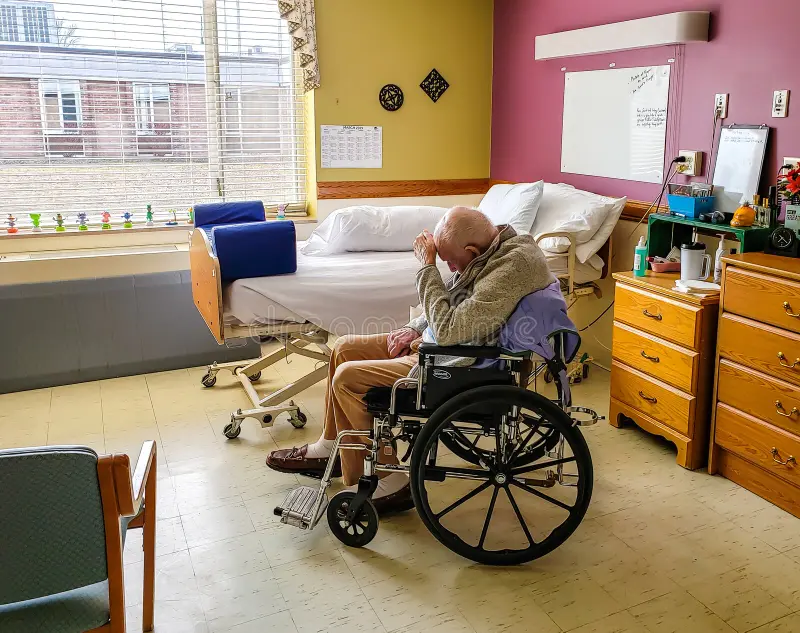 Man with dementia. Can you avoid this?
There is emerging evidence that neuropathology -- Alzheimer's, mild cognitive decline, Lewy body dementia, Parkinson's and various other brain disorders -- is caused at least partially by a lack of fuel for brain cells to optimally function. The result is dysfunction or cell death. That's the bad news.
The good news is that your brain cells can utilize two entirely different sources of energy: glucose (blood sugar) and ketones. The brain is like a hybrid car that can run either with gas or electricity. Same concept with the brain.
Below is a PET scan of human brains comparing people with normal cognitive function (CTL), those with mild cognitive decline (MCI), and those with Alzheimer's disease (AD). The rate of fuel uptake in the brain is indicated by the brightness of the color (bright = high uptake; darker color = low uptake).
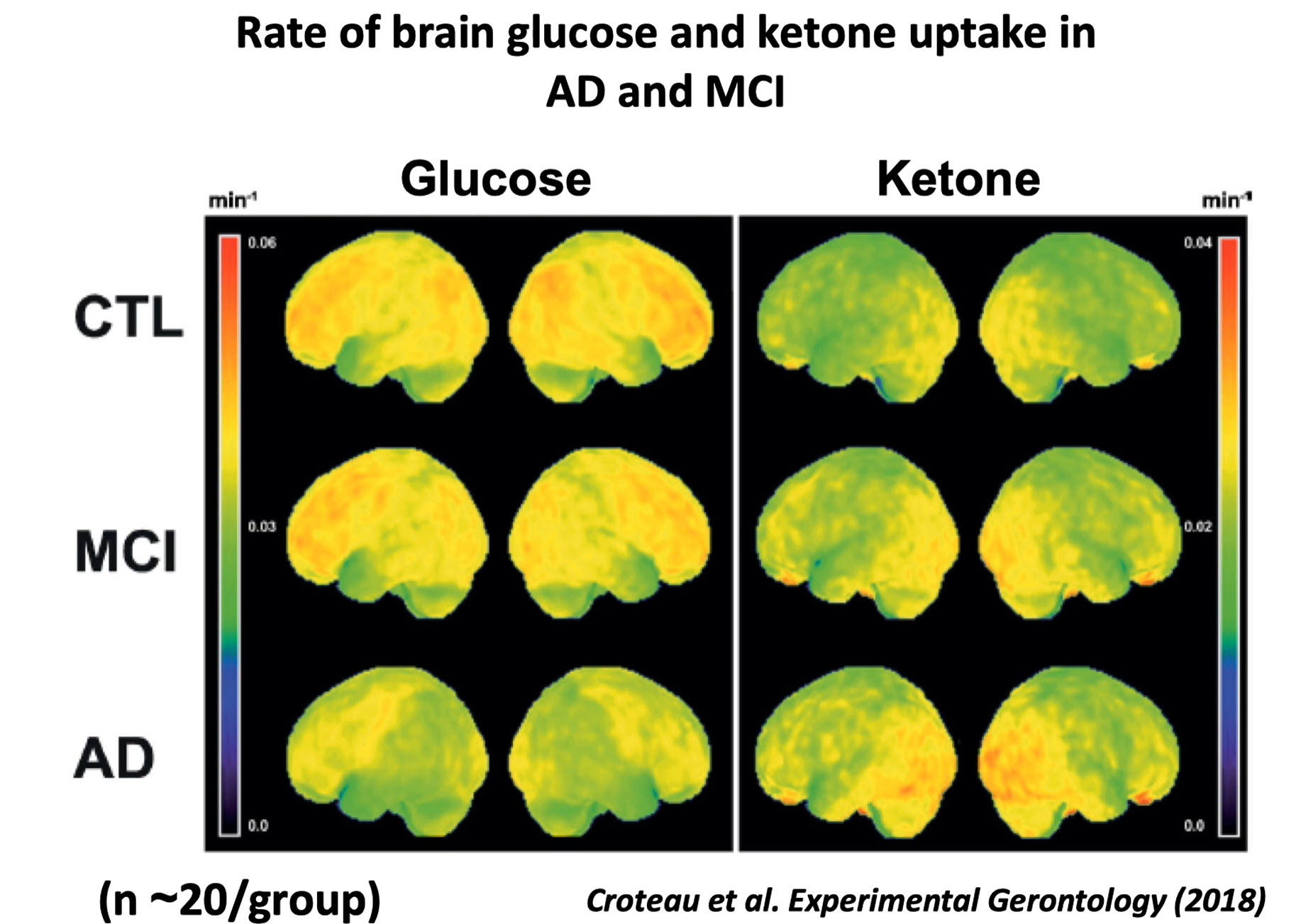
Look carefully at the glucose uptake. Can you see that the Alzheimer's brain is starved for glucose? And that mild cognitive impairment is better than Alzheimer's but worse than a normal person?
So if brain cells can't access enough glucose, what do they do? They switch over to ketones!
Now look at the PET scans of people exposed to ketones. Notice that the Alzheimer's brains did a particularly good job with uptake of ketones, as indicated by the bright spots.
In other words, these scans showed that Alzheimer's brains can switch over to ketones if glucose is not available. Great news!
But what if your body cannot provide enough ketones as a source of energy? And glucose cannot get into your brain cells? Well, your brains cells get starved and cannot do their job.
In summary, IF the brain has a sufficient supply of glucose and/or ketones, optimal function is possible.
This is very good news for anyone concerned about cognitive impairment. It suggests you have a path forward for preventing or mitigating brain disorders.
So our primary concern is to make sure our brains are getting the fuel they need.
The Vicious Cycle
The trick is to break the vicious cycle of brain cell starvation.
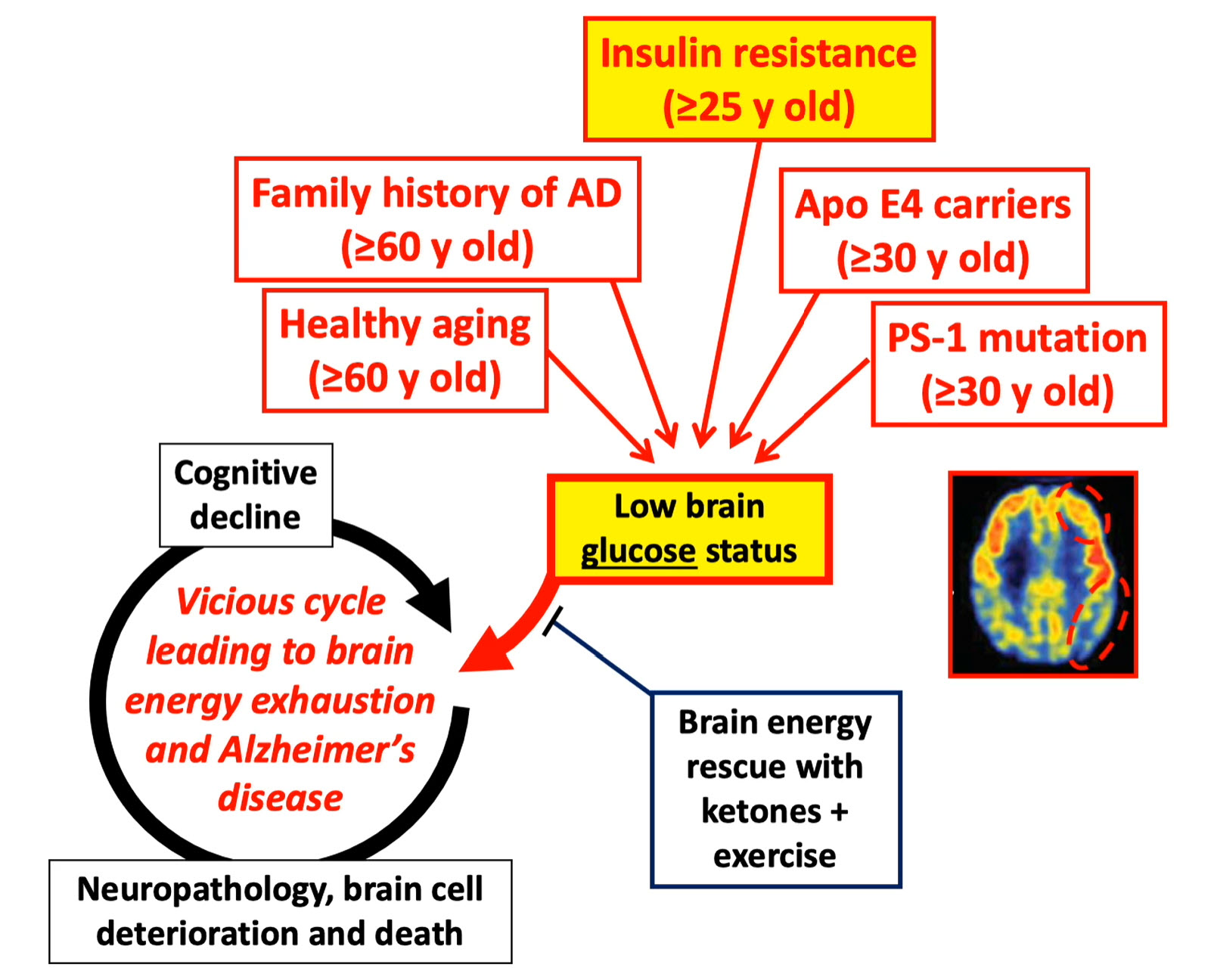
In the case of Alzheimer's, there are five known causes, as shown below. You can't do anything about four of them. The one you do have control over is insulin resistance.
Insulin signals the cells to accept glucose. Insulin resistance is when the cells are not very responsive to the insulin signal.
If you can reduce insulin resistance in the brain, more glucose fuel is made available for use.
Directory of Materials for Our Meeting
- Alzheimer is a Metabolic Disease
- Action Steps for Prevention
- Creatine
- Ketones
- Muscle Messages
- Evolution of Alzheimer's Care
- Some Definitions
- Alzheimer's Risk Factors
- Alzheimer's Symptoms
- Factors Driving Brain Insulin Resistance
- BHB Ketone and Brain Health
- APOE Gene and Alzheimer's Risk
- Essential Tremor and Alzheimer's
- Sleep and Dementia
- MIND Diet vs. Ketogenic Diet
Why Alzheimer’s May Be a Metabolic Disease
Alzheimer’s disease has traditionally been explained by the buildup of amyloid plaques in the brain, but growing evidence suggests this theory does not fully account for the disease or lead to effective treatments. A metabolic perspective proposes that Alzheimer’s may instead be driven by brain insulin resistance, which disrupts neuronal energy metabolism—while the brain’s ability to use ketones as an alternative fuel remains intact, offering potential strategies for prevention and support.
Summary:
For decades, Alzheimer’s disease has largely been understood through the lens of the amyloid plaque hypothesis, which proposes that sticky protein deposits in the brain trigger neurodegeneration and cognitive decline. In this Metabolic Classroom lecture, Ben explains why that theory is increasingly being questioned. He reviews the historical origins of the plaque hypothesis, the enormous funding directed toward it, and the repeated failure of drugs designed to remove amyloid plaques to meaningfully improve patient outcomes. The controversy surrounding manipulated data in influential Alzheimer’s research further highlights the need for a new framework to better explain the disease.
Ben then presents a compelling alternative: Alzheimer’s disease as a metabolic disorder driven by brain insulin resistance. Drawing from mechanistic studies, epidemiological data, and genetic insights, he explains how impaired insulin signaling in the brain can disrupt neuronal energy metabolism, increase tau tangles, impair amyloid clearance, and ultimately contribute to neurodegeneration. This concept has led some researchers to refer to Alzheimer’s as “Type 3 diabetes.”
The lecture also explores a hopeful implication of this metabolic framework. While glucose metabolism is impaired in Alzheimer’s brains, research shows that the brain’s ability to use ketones remains intact. This suggests that strategies that improve insulin sensitivity or increase ketone availability—such as carbohydrate restriction, fasting, exercise, or exogenous ketones—may offer promising avenues for prevention or metabolic support.
Creatine’s Role in Brain Power, Recovery, and Glucose Control
In this lecture, Dr. Ben Bikman breaks down the true nature and benefits of creatine—a molecule often misunderstood as merely a muscle-building supplement. Creatine plays a critical role in cellular energy production by helping regenerate ATP, especially in high-energy tissues like skeletal muscle and the brain. While our bodies produce creatine endogenously, supplementation can significantly enhance its availability and effects.
Ben discusses how creatine has been shown to improve physical performance, support brain health, and even influence glucose metabolism. It helps increase strength, power output, and recovery during resistance training. In the brain, it supports cognitive function and may protect against neurodegenerative conditions. For individuals with insulin resistance or type 2 diabetes, creatine can improve glucose uptake by enhancing GLUT4 translocation.
He also addresses common myths—especially the misconception that creatine damages the kidneys. Ben emphasizes that while creatinine levels may rise with supplementation, this does not indicate harm in healthy individuals. He further explains the potential gene-level benefits of creatine, such as improved expression of IGF-1 and myogenic regulatory factors related to muscle health.
The lecture concludes with practical advice on dosing and choosing the right form of creatine, noting that creatine monohydrate remains the most effective and well-studied option. Ben encourages its use not just for athletes but for anyone looking to support muscle, brain, or metabolic health.
The Hidden Power of Ketones: Fueling + Signaling
In this episode of the Metabolic Classroom, Dr. Bikman explores the remarkable role of beta-hydroxybutyrate (BHB), the most abundant ketone body, as both a metabolic fuel and a cellular signaling molecule. While traditionally seen as mere backup energy, BHB is now recognized as a potent agent that influences gene expression, reduces inflammation, and protects mitochondrial function.
Ben unpacks the dual nature of BHB, describing how it activates specific receptors like GPR109A and FFAR3, modulates immune responses, and directly inhibits the NLRP3 inflammasome, a key player in chronic inflammation. He also highlights how BHB affects epigenetic regulation through HDAC inhibition, enhancing cellular resilience and antioxidant defenses.
The lecture concludes by tying these pathways together to show how ketones—whether produced endogenously or taken as supplements—convey a coordinated biological signal of adaptation and protection. This shift in understanding elevates ketones from mere “backup fuel” to central players in metabolic health.
Ketones May Support Alzheimer's Brain and Other Organs, Too
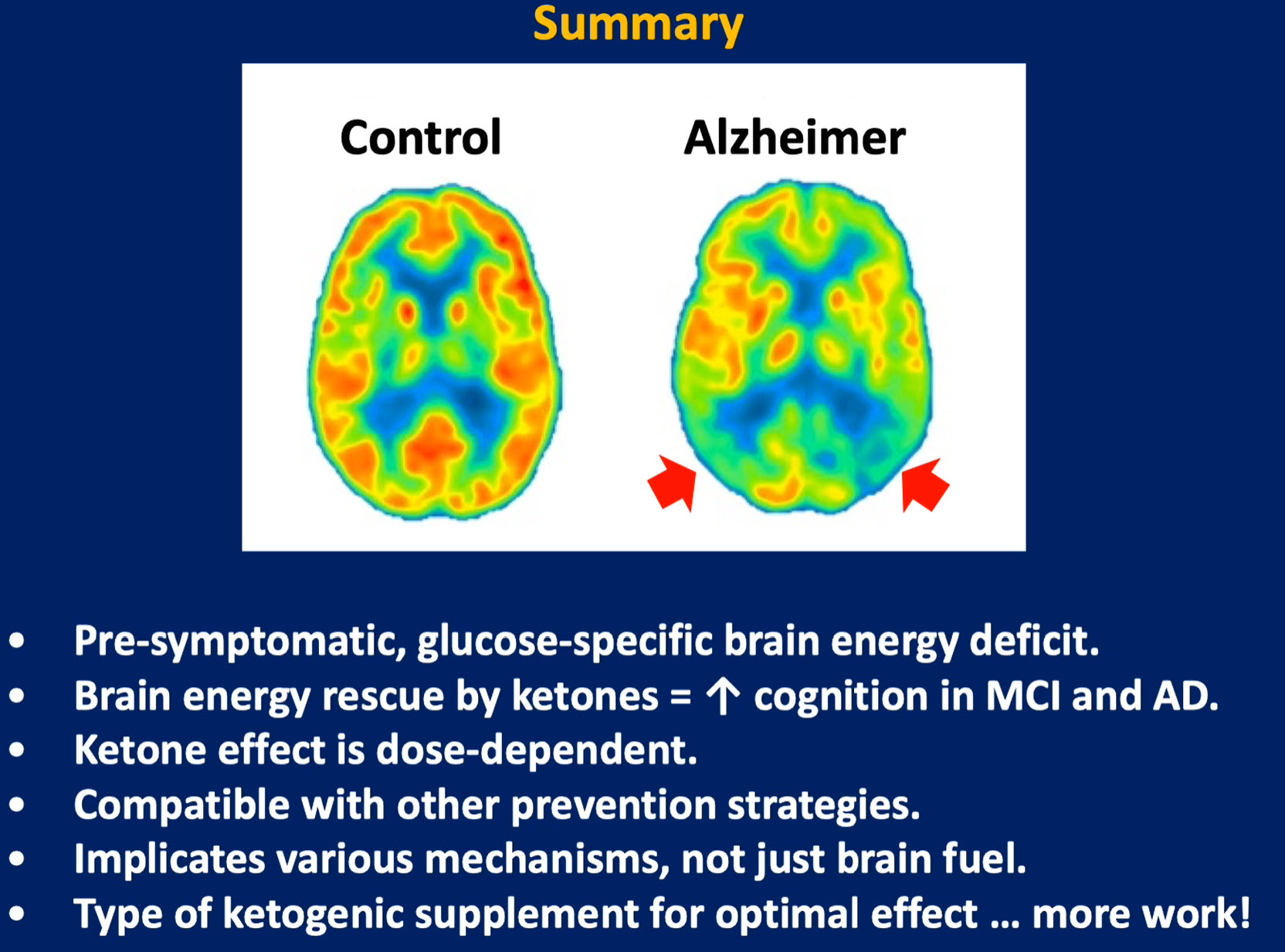 Alzheimer's brain starved for fuel. Could ketones help?
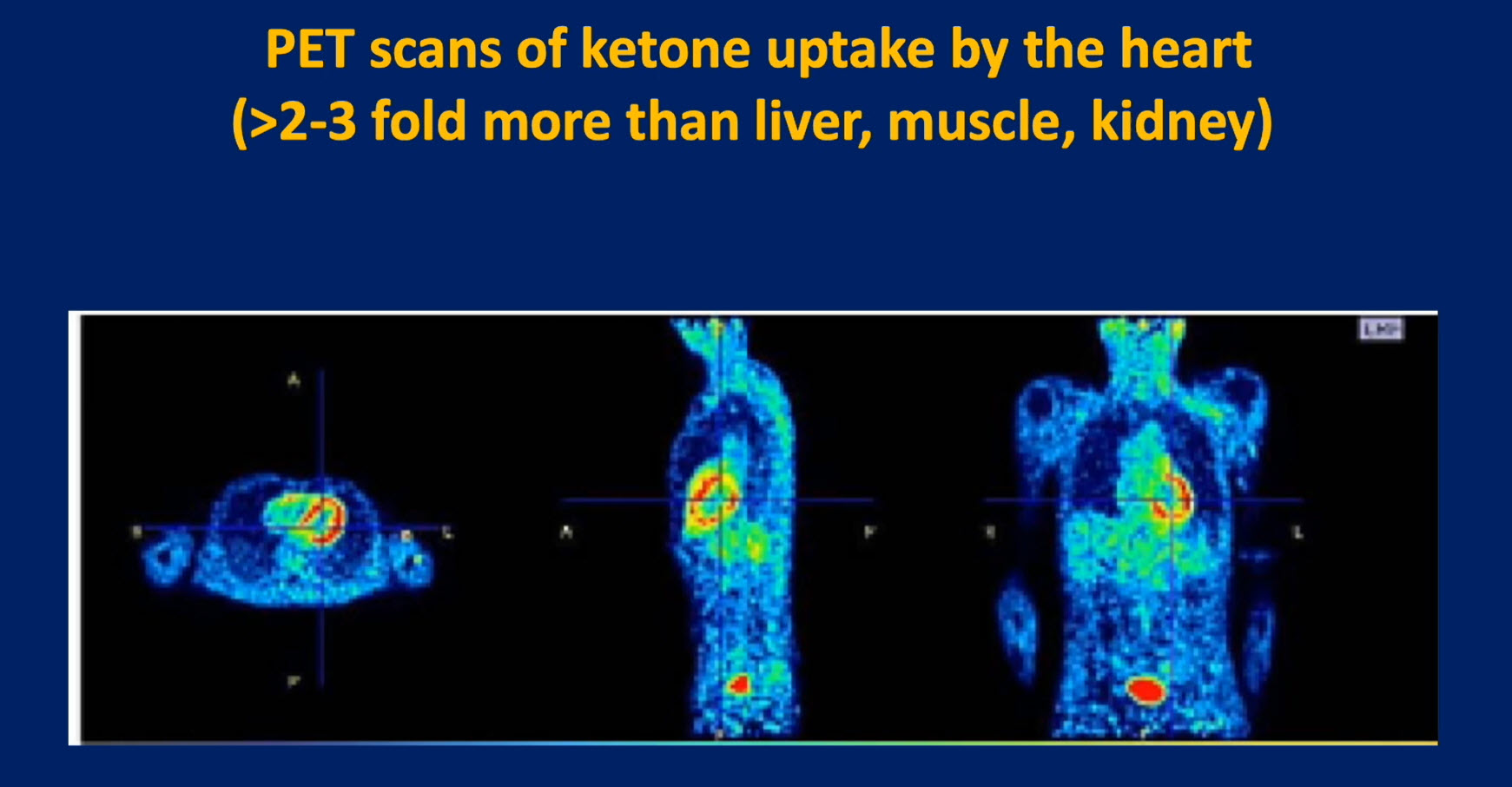 Ketones concentrated in vital organs
Why Exercise Benefits Every Organ — Not Just Muscle
Exercise prompts your muscles to release extracellular vesicles — tiny molecular packages that deliver health-boosting instructions to your brain, liver, fat, and more. These signals improve metabolism, reduce inflammation, and may even help reverse insulin resistance and obesity-related damage.
Summary:
Ben explains how extracellular vesicles (ECVs) — tiny biological packages released by cells — are revolutionizing our understanding of how exercise improves metabolic health. These vesicles act like molecular mail, delivering proteins, lipids, and microRNAs from one tissue to another, with effects that include improved insulin sensitivity, enhanced fat burning, and reduced inflammation.
When we exercise, our muscles and other tissues release more ECVs, which travel throughout the body delivering beneficial molecular signals to organs like the liver, brain, fat cells, and immune system. Different types of exercise (aerobic vs. resistance) and different intensities produce ECVs with distinct “cargo,” which helps explain the diverse benefits of various workout styles.
In conditions like obesity and type 2 diabetes, however, the story shifts. Dysfunctional tissues release harmful ECVs that can spread metabolic disease. Fortunately, exercise helps reverse this, replacing harmful signals with beneficial ones. Even brief bouts of exercise can shift this internal “conversation” in a healthier direction.
Ben closes by highlighting the future potential of ECV research: personalized exercise prescriptions, new biomarkers, and even therapeutic applications like “exercise in a bottle.” But until then, the takeaway is clear: exercise isn’t just about movement — it’s a system-wide signal for better health.
The Evolution of Alzheimer's and Dementia Care
Dr. Gayatri Devi is a nationally recognized neurologist specializing in memory disorders, including Alzheimer’s disease and related dementias. In this interview, Gayatri explains how to think about dementia as a spectrum—including Alzheimer’s disease, vascular dementia, Lewy body dementia, and mixed presentations—while exploring the evolving biology of amyloid, tau, and neuroinflammation and why brain pathology does not always correlate with symptoms.
She discusses her approach to detecting subtle cognitive decline in high-functioning individuals, the role of biomarkers and APOE4 testing in asymptomatic patients, the benefits and risks of anti-amyloid therapies such as lecanemab and donanemab, and strategies for minimizing treatment-related complications.
Gayatri also examines why some patients may stabilize or even improve with individualized care, the overlap among different dementia syndromes, and the relationship between menopause, estrogen, and cognition—including her concept of menopause-related cognitive impairment.
Finally, she discusses how advances in early detection, AI-assisted monitoring, targeted therapies, and precision medicine are reshaping the future of dementia care.
You can go directly to any section of the above video. Look below for the "V" time.
- Gayatri’s training and clinical focus, why dementia is a spectrum disease, and how personalized treatment is changing Alzheimer’s care [A: 3:45, V: 0:11];
- How Alzheimer’s disease fits within the broader spectrum of dementia: diagnosis, biomarkers, and early pathophysiology [A: 7:15, V: 3:55];
- The emerging role of neuroinflammation and viral infections in Alzheimer’s disease [A: 13:30, V: 10:45];
- Gayatri’s comprehensive approach to evaluating cognitive decline in high-functioning patients [A: 17:45, V: 15:18];
- Why forgetting names is usually normal and when word-finding problems become concerning [A: 29:00, V: 27:30];
- Why women are at higher risk for Alzheimer’s disease and how menopause influences cognition [A: 33:45, V: 32:26];
- The promise and limitations of blood-based biomarkers for diagnosing Alzheimer’s disease [A: 40:15, V: 39:20];
- When preclinical Alzheimer’s screening is appropriate and how to interpret positive biomarker results [A: 45:00, V: 44:22];
- Case study: early Alzheimer’s prevention in a highly-functional woman in her 50s with two copies of APOE4 [A: 47:15, V: 46:51];
- Anti-amyloid therapies: balancing clinical benefit with ARIA risk using slow titration [A: 51:45, V: 51:32];
- The aducanumab controversy, why it was discontinued, and why Gayatri would still choose it [A: 1:00:00, V: 1:00:17];
- How anti-amyloid therapies cause ARIA, strategies for detecting and managing these complications, and how future therapies may improve safety and accessibility [A: 1:03:30, V: 1:03:51];
- Two patient examples of exceptional responses to anti-amyloid therapy [A: 1:12:30, V: 1:13:20];
- A multimodal approach to Alzheimer’s treatment: combination therapy, MRI-guided TMS, GLP-1 receptor agonists, and more [A: 1:15:00, V: 1:15:52];
- Vascular dementia, Lewy body dementia, and the overlap with Alzheimer’s disease [A: 1:21:00, V: 1:22:30];
- Lewy body dementia and Parkinson’s disease: distinguishing two alpha-synuclein disorders [A: 1:26:45, V: 1:28:31];
- Risk factors for Lewy body dementia and what remains unknown [A: 1:36:15, V: 1:38:33];
- Treating menopause-related cognitive impairment: hormone therapy, brain rehabilitation, and balancing breast cancer risk [A: 1:38:45, V: 1:41:11];
- How biomarkers changed Gayatri’s perspective on the potential for Alzheimer’s patients to improve [A: 1:47:15, V: 1:50:01];
- The future of Alzheimer’s care: AI, precision medicine, and personalized treatment [A: 1:49:30, V: 1:52:28].
The mission of of seattleseniormen.com and greenwoodmensgroup.com is to provide a supportive environment where men from diverse backgrounds can foster camaraderie, develop friendships, share wisdom, enrich one another's lives -- and contribute to all Seattle communities, including Greenwood, Ballard, Crown Hill, Fremont, Green Lake, Licton Springs, Loyal Heights, Magnolia, Phinney Ridge, Ravenna, Sunset Hill, Wallingford, Wedgwood, Whittier Heights. Bitter Lake, Broadview, Haller Lake, Queen Anne, and beyond.
Recent Articles


-
Senior men need to hear good news about their environment
Sep 15, 26 06:56 PM
Good news lifts the spirits and improves health of older men -
Priorities and concerns of older men
Sep 12, 26 10:55 PM
Are your health and other concerns the same as other senior men? -
Greenwood Men's Group - Upcoming Events and Activities in Seattle Area
Sep 02, 26 12:02 AM
List of upcoming events for the Greenwood Men's Group in Seattle