GMG Upcoming Events
- >> Click here for upcoming event details! <<
- 9/21: Bocce Ball, 2pm, WPLBC
- 9/28: Build Tiny Houses, 9am-2pm
- 10/5: Pickleball/Cornhole, 2pm, LHCC
- 10/6 (Tuesday): Breakfast Group, 9:30am, Pacha Cafe
- 10/6 (Tuesday): Planning Group Meeting, 2pm, GSC
- 10/12: Elderhood: "Joy, Curiosity and Growth", 2pm, GSC
- 10/19: Bocce ball, 2pm, WPLBC
- 10/26: Murder Mystery Game program, 2pm, GSC
- 11/2: Pickleball, 2pm, LHCC
- 11/3 (Tuesday): Breakfast Group, 9:30am, Serendipity Cafe
- 11/9: Piper's Creek Salmon Run, 2pm, Carkeek Park
- 11/16: Bocce Ball, 2pm, WPLBC
- 11/23: Amazing Vitality Secrets from Our 95-Year-Old Neighbor, 2pm, GSC
- 11/30: "Show & Tell", 2pm, GSC
- 12/3 (Thursday): Elderhood - Loss & Grief, 2pm, GSC
- 12/7: Pickleball, 2pm, LHCC
- 12/14: "Senior Olympics", 2pm, GSC
- 12/21: Bocce Ball, 2pm, WPLBC
- 12/28: Special Movie, 2pm, GSC
- Other possible events for 2026-2027
Missed an event? Find out what happened here!
A Senior Man's Guide for Medical Emergencies
Have you had a medical emergency yet? Like a serious fall or maybe a mild stroke, or an auto accident? Were you ready for it, or were you caught by surprise?
If you slip in the bathroom and conk you head and are unable to arise from the floor, are you going to wait until somebody finds you -- or do you have a reliable method for immediately summoning help?
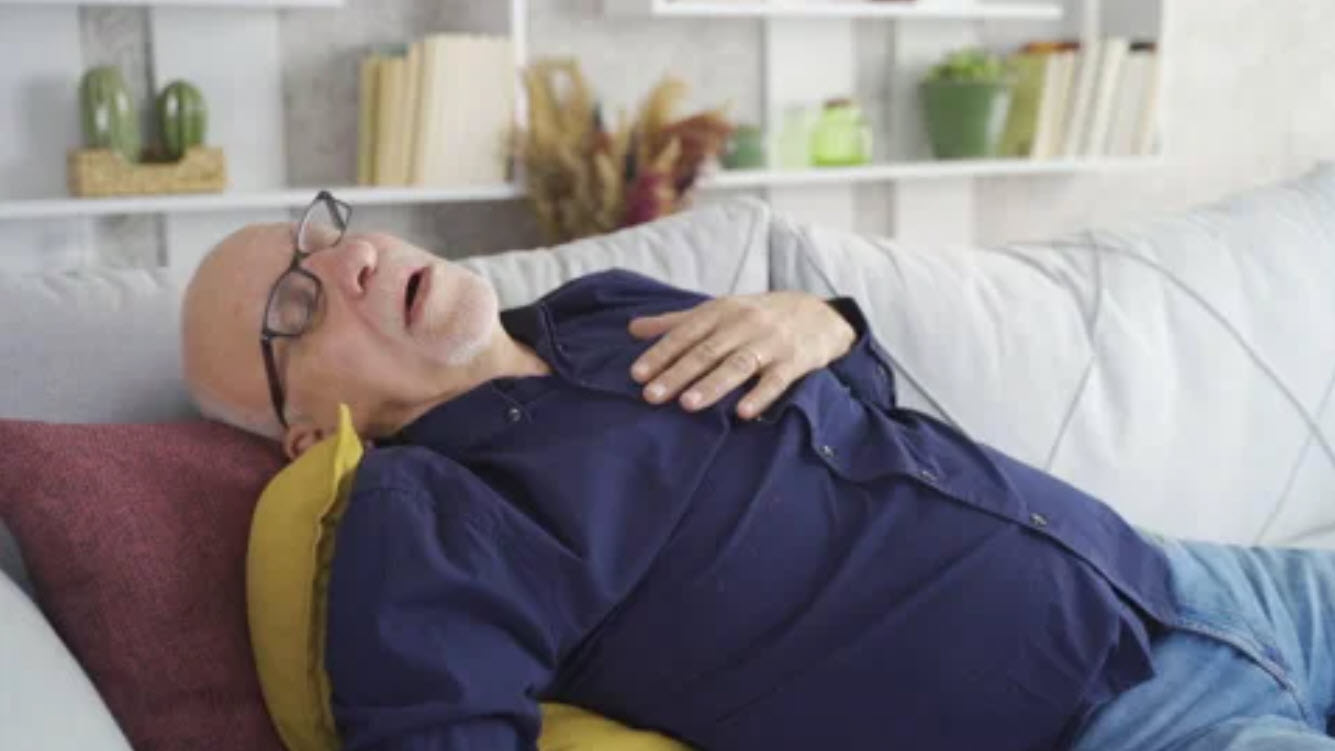 Heart attack? Stroke? Concussion? Can I dial 911?
The best policy is to "be prepared" just in case something untoward does happen. As senior men, we can't assume that emergencies only happen to other people.
Below is a six-step checklist of some things you can do right now to reduce your risk of a bad outcome.
1. Centralize Your Medical Information
In a crisis, you may not be able to recall every medication or health detail. Keep a "grab-and-go" folder or a medical ID to prevent dangerous treatment delays.
- The "Grab-and-Go" Folder: Maintain a centralized file with copies of your ID, insurance cards (Medicare/Medicaid), and a current list of all medications with dosages.
- Medical ID: Consider wearing a medical ID bracelet engraved with chronic conditions, allergies, and emergency contacts.
- Emergency Contacts: Keep a written list of doctors, family members, and neighbors in your wallet and stored in your cell phone.
2. Set up a "File of Life" (For First Responders)
Put the following items into a red folder or envelope on your refrigerator door. In an emergency, first responders will see it in case you're not able to communicate. It will save them time and make their response more appropriate.
- Personal Identification: Full legal name, date of birth, and Social Security number.
- Emergency Contacts: List at least three people with their home and cell phone numbers.
- Medical Conditions: List chronic illnesses (e.g., diabetes, heart disease), past surgeries, and major health events.
- Current Medications: A complete list of prescriptions, over-the-counter drugs, and supplements, including exact dosages and schedules.
- Allergies: Clearly note any allergies to medications (like penicillin), food, or environmental factors.
- Insurance Information: Copies of Medicare, Medicaid, and any supplemental insurance cards.
- Physician Contacts: Names and phone numbers for your primary care doctor and specialists.
- Advanced Directives: Copies of your Living Will, Healthcare Power of Attorney, and DNA/POLST forms.
3. Build Your Emergency "Go Bag"
Have a dedicated bag ready for rapid departures, especially if a hospital admission is likely. You never really know when you might have to quickly leave the house.
- Prescriptions: Keep at least a 7-day supply of essential medications and copies of your prescriptions.
- Cold Storage: If you use temperature-sensitive medicine like insulin, keep insulated bags and ice packs ready in your freezer.
- Assistive Devices: Pack backup batteries for hearing aids, an extra pair of eyeglasses, and any small mobility aids or chargers for medical devices.
- Basic Supplies: Include a flashlight with extra batteries, a whistle to signal for help, and a small first-aid kit.
- Personal Hygiene: Travel-sized toothbrush, toothpaste, deodorant, and sanitary items.
- Clothing: A change of c lothes, a lightweight jacket, and sturdy walking shoes.
- Financial Backup: A small amount of cash or traveler’s checks in small denominations.
- Comfort Items: A book, notepad, pen, or crossword puzzles to pass the time.
4. Establish a Support Network
At our age, we can't really afford to be isolated. It's risky if you don't have anybody to turn to in a crisis. So don't procrastinate on establish a support network.
- Identify Three Contacts: Choose three people—family, friends, or neighbors—who can check on you immediately after an emergency.
- Share Keys and Plans: Give a spare set of house keys to a trusted neighbor and ensure they know where your emergency supplies are kept.
- Instructional Prep: Teach your support network how to use any specialized medical equipment you rely on.
5. Legal and Preventive Planning
Emergencies aren't just physical; they are legal. You'll want your wishes to be documented so that family and friends don't have to face difficult conflicts during a crisis.
- Advance Directives: Complete a living will and durable power of attorney for healthcare to dictate the care you want in the event you are unable to speak for yourself.
- Home Safety: Conduct an annual safety review of your home to prevent falls. Focus on lighting, stairs, and bathrooms. Make sure your house number is clearly visible from the street.
- Skills Training: Consider taking a basic first aid and CPR training course through the American Red Cross to help yourself or others.
6. Employ Medical Technology to Protect Yourself
Professional Medical Alert Systems (Monitored). There are a number of alert systems on the market. They connect you to a professional dispatcher who can send emergency services and stay on the line with you.
- Bay Alarm Medical: Known for the fast response times (averaging 10–20 seconds) and good customer service. They have a Smartwatch option as well as an in-home option.
- Medical Guardian: Good for active lifestyles. Offers high-tech features like voice activation and the longest in-home range (up to 1,400 feet).
- LifeFone: Good battery life.
Emergency Notification Apps (Standalone). Apps are a budget-friendly way to use the smartphone you already carry, though most do not include professional monitoring unless you pay for a premium tier.
- mySeniorCareHub App: All-in-one digital caregiver. It combines AI-driven fall detection with proactive "I'm OK" daily wellness check-ins.
- FallCall Detect: Good for Smartwatches. Built specifically for Apple Watch and iPhone, it uses "smart" fall detection to distinguish between high-impact and low-impact falls.
- Senior Safety App: Good for Android users. A free version includes an SOS button and location tracking; the pro version adds fall detection and round-robin emergency calling.
- Red Panic Button: Best for simplicity. A one-time fee allows you to send your GPS coordinates to an unlimited list of emergency contacts with one tap.
Integrated Smartwatch Features (No Monthly Fee). If you already own a smartwatch, you may have life-saving features built-in.
- Apple Watch (Series 4 or later): Includes automatic Hard Fall Detection. If you don't move for about a minute after a hard fall, it automatically calls emergency services.
- Samsung Galaxy Watch7: Offers similar fall detection and SOS features for Android users without a subscription.
You might like these
Small talk is important for a meaningful life in senior men
Senior men engaging in small talk increases life satisfaction
Priorities and concerns of older men
Are your health and other concerns the same as other senior men?
Factors determining satisfaction with life in older men
Are you satisfied with your life at this time? Find out why or why not.
How to Improve Your Habits to Increase Life Satisfaction
Seattle senior men advocate working better habits. It can change your life.
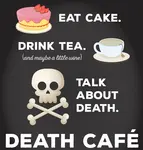
What's your perspective on death, now that you're older?
Seattle senior men contemplate end of life



The mission of of seattleseniormen.com and greenwoodmensgroup.com is to provide a supportive environment where men from diverse backgrounds can foster camaraderie, develop friendships, share wisdom, enrich one another's lives -- and contribute to all Seattle communities, including Greenwood, Ballard, Crown Hill, Fremont, Green Lake, Licton Springs, Loyal Heights, Magnolia, Phinney Ridge, Ravenna, Sunset Hill, Wallingford, Wedgwood, Whittier Heights. Bitter Lake, Broadview, Haller Lake, Queen Anne, and beyond.
Recent Articles


-
Senior men need to hear good news about their environment
Sep 15, 26 06:56 PM
Good news lifts the spirits and improves health of older men -
Priorities and concerns of older men
Sep 12, 26 10:55 PM
Are your health and other concerns the same as other senior men? -
Greenwood Men's Group - Upcoming Events and Activities in Seattle Area
Sep 02, 26 12:02 AM
List of upcoming events for the Greenwood Men's Group in Seattle