GMG Upcoming Events
- >> Click here for upcoming event details! <<
- 9/21: Bocce Ball, 2pm, WPLBC
- 9/28: Build Tiny Houses, 9am-2pm
- 10/5: Pickleball/Cornhole, 2pm, LHCC
- 10/6 (Tuesday): Breakfast Group, 9:30am, Pacha Cafe
- 10/6 (Tuesday): Planning Group Meeting, 2pm, GSC
- 10/12: Elderhood: "Joy, Curiosity and Growth", 2pm, GSC
- 10/19: Bocce ball, 2pm, WPLBC
- 10/26: Murder Mystery Game program, 2pm, GSC
- 11/2: Pickleball, 2pm, LHCC
- 11/3 (Tuesday): Breakfast Group, 9:30am, Serendipity Cafe
- 11/9: Piper's Creek Salmon Run, 2pm, Carkeek Park
- 11/16: Bocce Ball, 2pm, WPLBC
- 11/23: Amazing Vitality Secrets from Our 95-Year-Old Neighbor, 2pm, GSC
- 11/30: "Show & Tell", 2pm, GSC
- 12/3 (Thursday): Elderhood - Loss & Grief, 2pm, GSC
- 12/7: Pickleball, 2pm, LHCC
- 12/14: "Senior Olympics", 2pm, GSC
- 12/21: Bocce Ball, 2pm, WPLBC
- 12/28: Special Movie, 2pm, GSC
- Other possible events for 2026-2027
Missed an event? Find out what happened here!
Microplastics: A Threat to Your Health?
The Greenwood Men's Group recently had a meeting to talk about microplastics in relation to our health. Here's a continuation of that discussion.
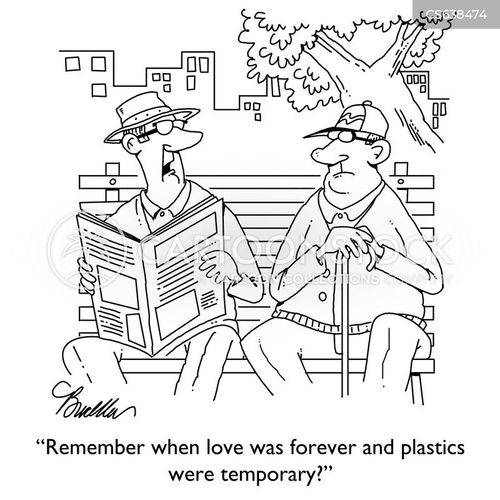
No one knows our actual body burden of microplastics is, nor is there a way to measure it in any practical way. What we can surmise from very limited evidence is that they are unhealthy.
We also know that the total load of microplastics is increasing, probably at an accelerating rate, simply by virtue of the fact that most of the 8.3 billion tons of plastics produced to date is out there somewhere in our environment. Secondly, we add 400 million metric tons of fresh plastic every year.
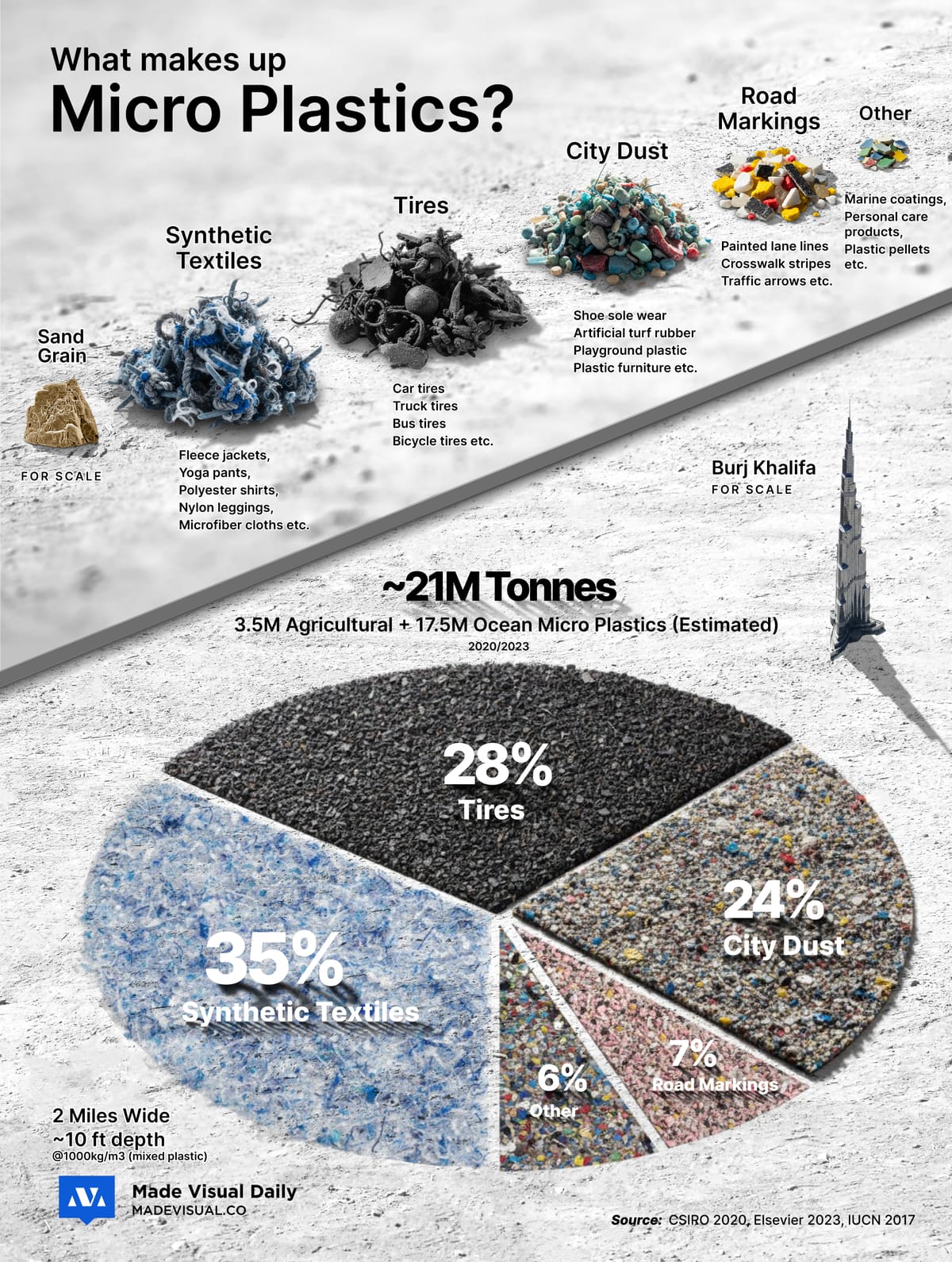
Some microplastics are worse than others. Some plastic components such as BPA, phthalates, PFAS, etc. are known hormone mimics and thus alter the function of every cell in the body. Some microplastics may combine with pesticides or other chemicals, and thus become transporters of these compounds.
There is no known way to remove microplastics from the body, other than natural excretion. Some amount of microplastics will find permanent residence in our organs, including brain.
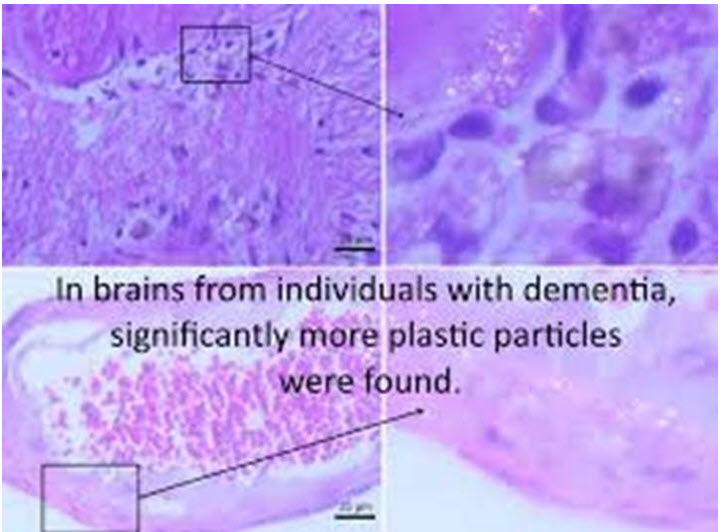 Is YOUR brain clogged with microplastics?
Regarding truly significant reduction of exposure, good luck with that. Microplastics are found in zooplankton, at the bottom of the marine food chain. So no more seafood of any kind. They are found in our produce. So no more fruits and vegetables. Get rid of all your clothing containing polyester or nylon. Microplastics are found in the air, especially indoors. Therefore we should live outdoors. Don’t drive a car. Stay completely away from all roads because of tire particles. Avoid salt, beer and tea. No meat! And especially don’t drink any water. Please wear a mask at all times. So, you can see how this problem defies any easy solution.
The fact is, we live in an endless sea of micro and nano-plastics from which there is absolutely no escape.
The best thing we have going for us is our advanced age, which means that we have not been rapidly increasing our body burden of microplastics over our entire lifespan. Younger folks are not so fortunate, especially the very young.
And perhaps worst of all, young pregnant mothers are transferring microplastics to their fetus, raising the risk of “altered fetal programming”, which creates a very different human being. Symptoms of this different human being usually do not really begin to show up until early adulthood. In other words, we unknowingly harm future generations.
Regardless of circumstances, there is always “something” we can do about a problem like microplastics.
How to Reduce
Your Microplastic Exposure and Support Removal
Below is a structured, evidence-based checklist focused on what you can actually do.
1. Reduce microplastics at the source
Medical reviews consistently emphasize prevention and reduced plastic use as the top of the “upside-down pyramid” for microplastic control
- Prefer reusable over single-use plastics: avoid plastic bags, wraps, cups, bottles, straws, cutlery; use glass, metal, or durable reusable alternative].
- Avoid products with plastic microbeads (face scrubs, toothpastes, exfoliating body washes); choose products using natural abrasives like sugar, salt, oatmeal.
- Choose biodegradable or truly compostable materials where they replace high-shed plastics, recognizing current bioplastics still have limitations..
- Apply the 7R/4R frameworks in daily life: refuse, reduce, reuse, recycle, recover (and re-think/regift) to minimize overall plastic flow.
2. Lower dietary microplastic exposure
- Prefer tap or filtered water rather than bottled water, which often has higher microplastic counts.
- Avoid heating food in plastic: do not microwave or pour very hot food/drinks into plastic containers; use glass or ceramic instead.
- Minimize food and drinks stored long-term in soft plastics and some paper cups/tea bags with plastic liners; use loose-leaf tea or paper/cloth tea filters instead.
- For seafood: Prefer muscle meat rather than whole small fish, viscera, or shellfish organs where particles accumulate. Moderate consumption of high-risk items such as bivalves and small whole fish; when using canned seafood, limit the consumption of the packing liquid. Purge live mussels/clams in clean water before cooking to shed gut contents.
3. Reduce inhalation of airborne microplastics (especially indoors)
Inhalation, especially from indoor air and dust, is a major route of exposure.
- Choose natural-fiber textiles (cotton, wool, hemp, linen) over polyester, acrylic, nylon to cut microfiber shedding.
- When possible, use hard floors plus regular wet mopping and HEPA or HyperHEPA air filtration to lower airborne fibers.
- Ventilate living spaces; combine ventilation with filtration in high-traffic or dusty rooms.
- Avoid smoking; tobacco smoke is a noted microplastic and particle exposure source.
- Limit high-shedding items indoors (cheap synthetic rugs, fleece blankets, fast-fashion synthetics) and wash them less frequently, on gentler cycles.
4. Reduce microplastic
release from laundry and household practices
Laundry is a major source of microfibers to wastewater.
- Install or use a washing-machine microfiber filter or external capture device; several studies indicate such filters significantly cut fiber release to wastewater.
- Prefer front-loading machines, colder/shorter cycles, and full loads to reduce fiber shedding.
- Use liquid detergents rather than powder where feasible to lessen mechanical abrasion.
- Avoid products that contain or shed microplastics, including some cleaning pads, synthetic sponges, and glitter-containing items.
5. Safer handling of plastics in food and daily life
- Avoid scratched, degraded, or very old plastic food containers; replace with glass/metal.
- Use wooden or bamboo cutting boards instead of plastic where possible, to avoid plastic particle generation.
- Prefer glass or stainless-steel baby bottles and foodware, or at least avoid adding boiling liquids to plastic.
6. Support environmental removal and systemic mitigation
Most large-scale removal technologies (membrane filtration, coagulation, advanced oxidation, bioremediation, magnetic separation) operate in wastewater plants and industrial systems, not at home. Individuals can indirectly increase removal and decrease release by:
- Support utilities or policies that upgrade wastewater treatment (e.g., membrane bioreactors, rapid sand filtration, electrocoagulation, tertiary filters), which can exceed 99% removal of many microplastics.
- Participate in or organize beach/river clean-ups, which intercept larger plastics before they fragment to microplastics.
- Choose and vote for regulatory measures: bans on microbeads, restrictions on very thin carrier bags, extended producer responsibility, and circular-economy plastics policies.
- Support research and adoption of biodegradation, catalytic and photocatalytic treatments, and microbial/enzymatic methods that break down existing microplastics.
7. Experimental or emerging personal strategies
- Some reviews note that antioxidant supplements might mitigate cellular oxidative stress from ingested microplastics, but human evidence is preliminary.
- Emerging point-of-use water filters (fine membrane or activated-carbon systems) can reduce particles, although performance for the smallest particles varies and is still being studied.
- There is limited evidence that certain strains of probiotics may increase excretion of microplastics in mice.
8. Behavioral and societal levers
Personality traits, awareness, and education strongly influence plastic-reducing behavior. Helpful actions include:
- Educate family/peers, schools, workplaces about reject–reduce–reuse–recycle behaviors.
- Support brands that redesign products to avoid microplastics (e.g., microbead-free cosmetics, low-shedding textiles, plastic-free packaging).
Overall, the most impactful personal steps are cutting single-use and synthetic plastics, changing food and laundry habits, improving indoor air quality, and supporting system-level wastewater and policy improvements.
References
- Osman, A., Hosny, M., Eltaweil, A., Omar, S., Elgarahy, A., Farghali, M., Yap, P., Wu, Y., Nagandran, S., Batumalaie, K., Gopinath, S., John, O., Sekar, M., Saikia, T., Karunanithi, P., Hatta, M., & Akinyede, K. Microplastic sources, formation, toxicity and remediation: a review. Environmental Chemistry Letters. 2023 https://doi.org/10.1007/s10311-023-01593-3
- Rao, A., Bora, P., Gour, C., Mahalle, P., Sahin, R., & Pimple, P. Microplastics In The Environment Pathways, Impacts, And Removal Technologies. International Journal of Environmental Sciences. 2025
- https://doi.org/10.64252/bz0smp69
- Nafea, T., Chan, F., Xu, H., Wang, C., Xiao, H., & He, J. Status of management and mitigation of microplastic pollution. Critical Reviews in Environmental Science and Technology. 2024; 54. https://doi.org/10.1080/10643389.2024.2361502
- Ghosh, S., Sinha, J., Ghosh, S., Vashisth, K., Han, S., & Bhaskar, R. Microplastics as an Emerging Threat to the Global Environment and Human Health. Sustainability. 2023 https://doi.org/10.3390/su151410821
- Matavos-Aramyan, S. Addressing the microplastic crisis: A multifaceted approach to removal and regulation. Environmental Advances. 2024 https://doi.org/10.1016/j.envadv.2024.100579
- Lamichhane, G., Marahatha, R., Modi, B., Paudel, R., Adhikari, A., Raut, B., Aryal, S., & Parajuli, N. Microplastics in environment: global concern, challenges, and controlling measures. International Journal of Environmental Science and Technology. 2022; 20. https://doi.org/10.1007/s13762-022-04261-1
- Tang, K. Counteracting the Harms of Microplastics on Humans: An Overview from the Perspective of Exposure. Microplastics. 2025 https://doi.org/10.3390/microplastics4030047
- Ali, S., Elsamahy, T., Al-Tohamy, R., & Sun, J. A critical review of microplastics in aquatic ecosystems: Degradation mechanisms and removing strategies. Environmental Science and Ecotechnology. 2024; 21. https://doi.org/10.1016/j.ese.2024.100427
- Krishnan, R., Manikandan, S., Subbaiya, R., Karmegam, N., Kim, W., & Govarthanan, M. Recent approaches and advanced wastewater treatment technologies for mitigating emerging microplastics contamination - A critical review.. The Science of the total environment. 2022 https://doi.org/10.1016/j.scitotenv.2022.159681
- Padervand, M., Lichtfouse, E., Robert, D., & Wang, C. Removal of microplastics from the environment. A review. Environmental Chemistry Letters. 2020; 18. https://doi.org/10.1007/s10311-020-00983-1
- Sharma, S., Basu, S., Shetti, N., Nadagouda, M., & Aminabhavi, T. Microplastics in the environment: Occurrence, perils, and eradication.. Chemical engineering journal. 2020; 408. https://doi.org/10.1016/j.cej.2020.127317
- Ahmed, S., Islam, N., Tasannum, N., Mehjabin, A., Momtahin, A., Chowdhury, A., Almomani, F., & Mofijur, M. Microplastic removal and management strategies for wastewater treatment plants.. Chemosphere. 2023 https://doi.org/10.1016/j.chemosphere.2023.140648
- Chen, J., Wu, J., Sherrell, P., Chen, J., Wang, H., Zhang, W., & Yang, J. How to Build a Microplastics‐Free Environment: Strategies for Microplastics Degradation and Plastics Recycling. Advanced Science. 2022; 9. https://doi.org/10.1002/advs.202103764
- Karbalaei, S., Hanachi, P., Walker, T., & Cole, M. Occurrence, sources, human health impacts and mitigation of microplastic pollution. Environmental Science and Pollution Research. 2018; 25. https://doi.org/10.1007/s11356-018-3508-7
- Anand, U., Dey, S., Bontempi, E., Ducoli, S., Vethaak, A., Dey, A., & Federici, S. Biotechnological methods to remove microplastics: a review. Environmental Chemistry Letters. 2023; 21. https://doi.org/10.1007/s10311-022-01552-4
- Amulya, K., Verma, P., Sheikh, Z., Devi, A., Singh, A., Pathania, D., Mehta, P., & Bhat, M. Comprehensive Strategies for Mitigating Microplastic Pollution: From Detection to Remediation. Global Change Biology. 2025; 31. https://doi.org/10.1111/gcb.70526
- Ahmed, R., Hamid, A., Krebsbach, S., He, J., & Wang, D. Critical review of microplastics removal from the environment.. Chemosphere. 2022 https://doi.org/10.1016/j.chemosphere.2022.133557
- Puteri, M., Gew, L., Ong, H., & Ming, L. Technologies to eliminate microplastic from water: Current approaches and future prospects.. Environment international. 2025; 199. https://doi.org/10.1016/j.envint.2025.109397
- Teng X, Zhang T, Rao C. Novel probiotics adsorbing and excreting microplastics in vivo show potential gut health benefits. Frontiers in Microbiology. 2025;15. doi:10.3389/fmicb.2024.1522794
- Li Z, Jun L, Rui A, et al. A probiotic for preventing microplastic toxicity: Clostridium dalinum mitigates microplastic-induced damage via microbiota-metabolism-barrier interactions. Current Research in Food Science. 2025;11. doi:10.1016/j.crfs.2025.101200
- Zhao L, Wei Z, Wang Y, et al. Lactiplantibacillus plantarum ZP-6 mitigates polystyrene nanoplastics-induced liver damage in colitis mice via the gut-liver axis. Frontiers in Microbiology. 2025;16. doi:10.3389/fmicb.2025.1626941
- Pan I, Umapathy S. Probiotics an emerging therapeutic approach towards gut-brain-axis oriented chronic health issues induced by microplastics: A comprehensive review. Heliyon. 2024;10. doi:10.1016/j.heliyon.2024.e32004
You might like these
Books for mature men to read for a more satisfying and longer life
Books feed your mind. Find recommended reading here.
Senior men may benefit from this list of health professionals
List of experienced professionals and personal trainers who may be able to help you be healthier
Longevity: What We Have Learned
Natural medicines that may lessen impairment of longevity in older men
Brittle bones - older men at significant risk of osteopenia
Osteopenia (bone loss) is underdiagnosed in senior men - what you can do
Greenwood Grinders focus on increasing healthspan
Increased vitality and healthspan is the goal of senior men
What medical research says about supplements discussed in men's group
N.D. presented ideas for improving our health: supplements, hydrogen gas, etc.












The mission of of seattleseniormen.com and greenwoodmensgroup.com is to provide a supportive environment where men from diverse backgrounds can foster camaraderie, develop friendships, share wisdom, enrich one another's lives -- and contribute to all Seattle communities, including Greenwood, Ballard, Crown Hill, Fremont, Green Lake, Licton Springs, Loyal Heights, Magnolia, Phinney Ridge, Ravenna, Sunset Hill, Wallingford, Wedgwood, Whittier Heights. Bitter Lake, Broadview, Haller Lake, Queen Anne, and beyond.
Recent Articles


-
Senior men need to hear good news about their environment
Sep 15, 26 06:56 PM
Good news lifts the spirits and improves health of older men -
Priorities and concerns of older men
Sep 12, 26 10:55 PM
Are your health and other concerns the same as other senior men? -
Greenwood Men's Group - Upcoming Events and Activities in Seattle Area
Sep 02, 26 12:02 AM
List of upcoming events for the Greenwood Men's Group in Seattle