GMG Upcoming Events
- >> Click here for upcoming event details! <<
- 9/21: Bocce Ball, 2pm, WPLBC
- 9/28: Build Tiny Houses, 9am-2pm
- 10/5: Pickleball/Cornhole, 2pm, LHCC
- 10/6 (Tuesday): Breakfast Group, 9:30am, Pacha Cafe
- 10/6 (Tuesday): Planning Group Meeting, 2pm, GSC
- 10/12: Elderhood: "Joy, Curiosity and Growth", 2pm, GSC
- 10/19: Bocce ball, 2pm, WPLBC
- 10/26: Murder Mystery Game program, 2pm, GSC
- 11/2: Pickleball, 2pm, LHCC
- 11/3 (Tuesday): Breakfast Group, 9:30am, Serendipity Cafe
- 11/9: Piper's Creek Salmon Run, 2pm, Carkeek Park
- 11/16: Bocce Ball, 2pm, WPLBC
- 11/23: Amazing Vitality Secrets from Our 95-Year-Old Neighbor, 2pm, GSC
- 11/30: "Show & Tell", 2pm, GSC
- 12/3 (Thursday): Elderhood - Loss & Grief, 2pm, GSC
- 12/7: Pickleball, 2pm, LHCC
- 12/14: "Senior Olympics", 2pm, GSC
- 12/21: Bocce Ball, 2pm, WPLBC
- 12/28: Special Movie, 2pm, GSC
- Other possible events for 2026-2027
Missed an event? Find out what happened here!
Reading List for Senior Men
Books, videos and podcasts are sources of ideas that may add meaning or something positive to your life. We'll be adding to this list from time to time.
Book List
- List of Books Our Group Discussed
- NEW! Shambhala
- More Rules for Aging
- The People vs. Democracy
- Little Alleluias
- Making the Best of What's Left
- Healthy to 100
- Why Brains Need Friends
- The Subtle Art of Not Giving a F*ck
- Being Mortal
- 22 Life-Changing Books
Ten Reasons Why Senior Men Benefit from Reading Books
Why bother to read books?
- Mental Stimulation: Keeps the brain active, builds neural pathways, and can help prevent cognitive decline like Alzheimer's.
- Improved Focus: Enhances concentration and the ability to focus for extended periods.
- Memory Boost: Strengthens memory as you recall plots, characters, and information.
- Stress Reduction: Calms the mind and helps you escape daily worries, lowering blood pressure and improving sleep.
- Analytical Skills: Develops stronger reasoning and critical thinking abilities.
- Vocabulary & Language: Expands vocabulary and improves communication skills.
- Knowledge Expansion: Builds a broad foundation of understanding about the world, history, and human experience.
- Creativity & Imagination: Fuels imagination and opens up new worlds and ideas.
- Empathy & Understanding: Builds empathy by allowing you to experience different perspectives and lives.
- Self-Reflection: Encourages self-reflection and deeper understanding of yourself.
- Companionship: Offers comfort and a sense of connection, as books never judge.
It's hard to imagine a more beneficial activity than reading. And if you have a library card, it's free! Win-win!
Reading Books Reduces Your Chances of Dying
Did you know that readers of books have a 20% lower mortality risk than non-readers? That's a very significant improvement in your longevity probability that is enjoyable to do and costs nothing if you use the library.
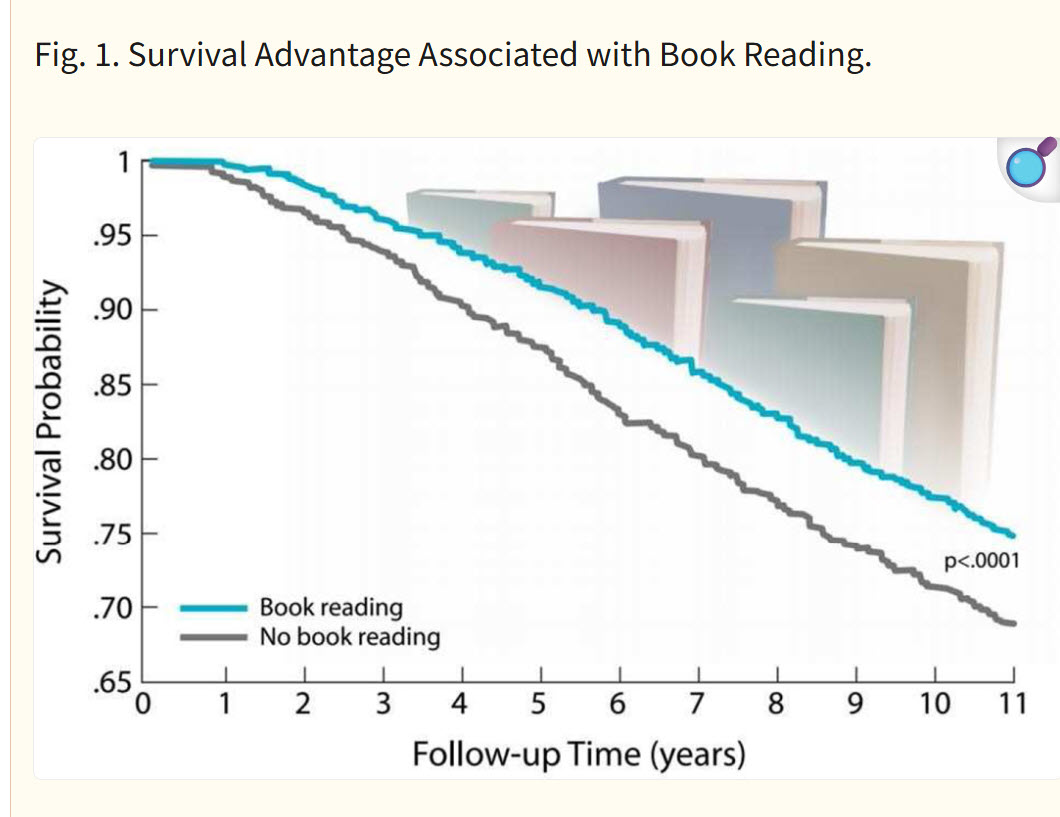
A 2016 Yale University study published in Social Science and Medicine found that reading books provides a significant survival advantage, with book readers experiencing a 20% reduction in risk of mortality over 12 years compared to non-readers. This longevity benefit is largely driven by enhanced cognitive engagement, increased empathy, and improved social perception, rather than just education or wealth.
Here are the key findings in the study:
- Reading books offers a stronger, distinct survival advantage over reading newspapers or magazines.
- Daily book readers (30+ minutes a day) showed a 20% lower mortality risk, potentially living roughly two years longer than non-readers.
- Books promote "deep reading," which increases vocabulary, reasoning, concentration, and critical thinking. This cognitive stimulation, combined with reduced stress and improved emotional intelligence, contributes directly to longevity.
- The survival advantage was consistent across genders, wealth, and education levels.
- It's possible that the immersive nature of reading books (fiction and non-fiction) helps to maintain brain health, which is strongly associated with survival.
What's not to like about reading books? Read anything you like for at least 30 minutes a day and increase your chances for living a longer and more satisfying life!
"Shambhala: The Sacred Path of the Warrior" by Chogyam Trungpa

This book by Trungpa Rinpoche is a spiritual guide that presents a secular, non-religious path to self-mastery, fearlessness, and the creation of an "enlightened society".
It's listed here simply to provide a body of work with a different perspective. Some have said Trungpa was a controversial and flawed individual, such as a problem with alcohol. This book is best evaluated based on what he said, not how he may have behaved.
This book reframes the archetype of the "warrior" not as a political or military figure, but as an individual who conquers the world through gentleness, courage, and self-knowledge.
Key Concepts & Themes
- Overcoming "Setting Sun" Mentality: Trungpa critiques the modern world's fast-paced, highly cynical mindset. He refers to this as the "setting sun" outlook, which is rooted in fear and defensive habits.
- Synchronizing Mind and Body: Real warriorship requires being fully present in the moment. Through basic meditation, individuals connect their physical presence with mental awareness.
- Cultivating Authentic Presence: True power comes from opening one's heart to the world. By embracing vulnerability, a person develops an undeniable, dignified grace.
- Fearlessness and Gentleness: True bravery is not the absence of fear, but the willingness to look directly at it. A warrior's weapon is gentleness, tenderness, and absolute honesty.
Note: From a Buddhist perspective, a warrior is neither theistic nor an atheist. Trungpa's “non‑theism” is not about rejecting God — it’s about rejecting the psychological habit of looking for something to save you.
"More Rules for Aging: Making the Most of Your Ridiculous, Wondrous Life" by Roger Rosenblatt
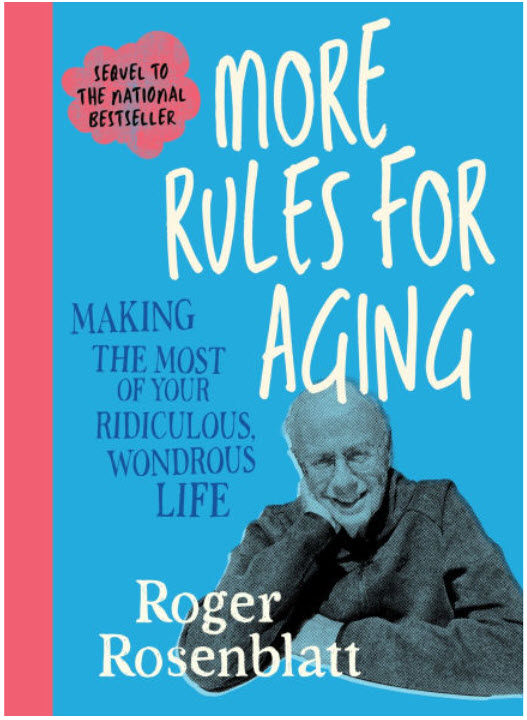
This book is a follow-up to his bestselling 2000 book, "Rules for Aging". It offers witty, philosophical, and actionable advice for navigating old age, focusing on finding joy and humor in oneself rather than fearing the changes that come with age.
Rosenblatt wrote the original at 60 and this follow-up at 85, giving him a deeper, more personal perspective on the latter years of life.
The book emphasizes "using the later years to your advantage" and that "growing older is as much an art as it is a science".
Some Rules from the Book and Similar Works
- "Nobody is thinking about you": A recurring rule from both the original and new works, highlighting that people are too focused on themselves.
- "It doesn't matter": Suggests that many things causing worry (being late, bad hair days, missed opportunities) do not matter, adding years to your life.
- "Join a gang": A tip highlighting the value of community.
- "Try to see fewer than five doctors": Practical advice on reducing reliance on medical professionals.
- "One makes a great mistake believing the grand things said about him or her, even if those things are true": A rule focusing on humility.
- "The important thing, at any age, is to do the work": A reminder to stay productive.
- "Never go to a cocktail party and, in any case, do not stay more than 20 minutes": Practical, humorous advice.
- "Screw it up royally": A lesson on valuing mistakes.
"The People vs. Democracy: Why Our Freedom Is in Danger and How to Save It" by Yascha Mounk
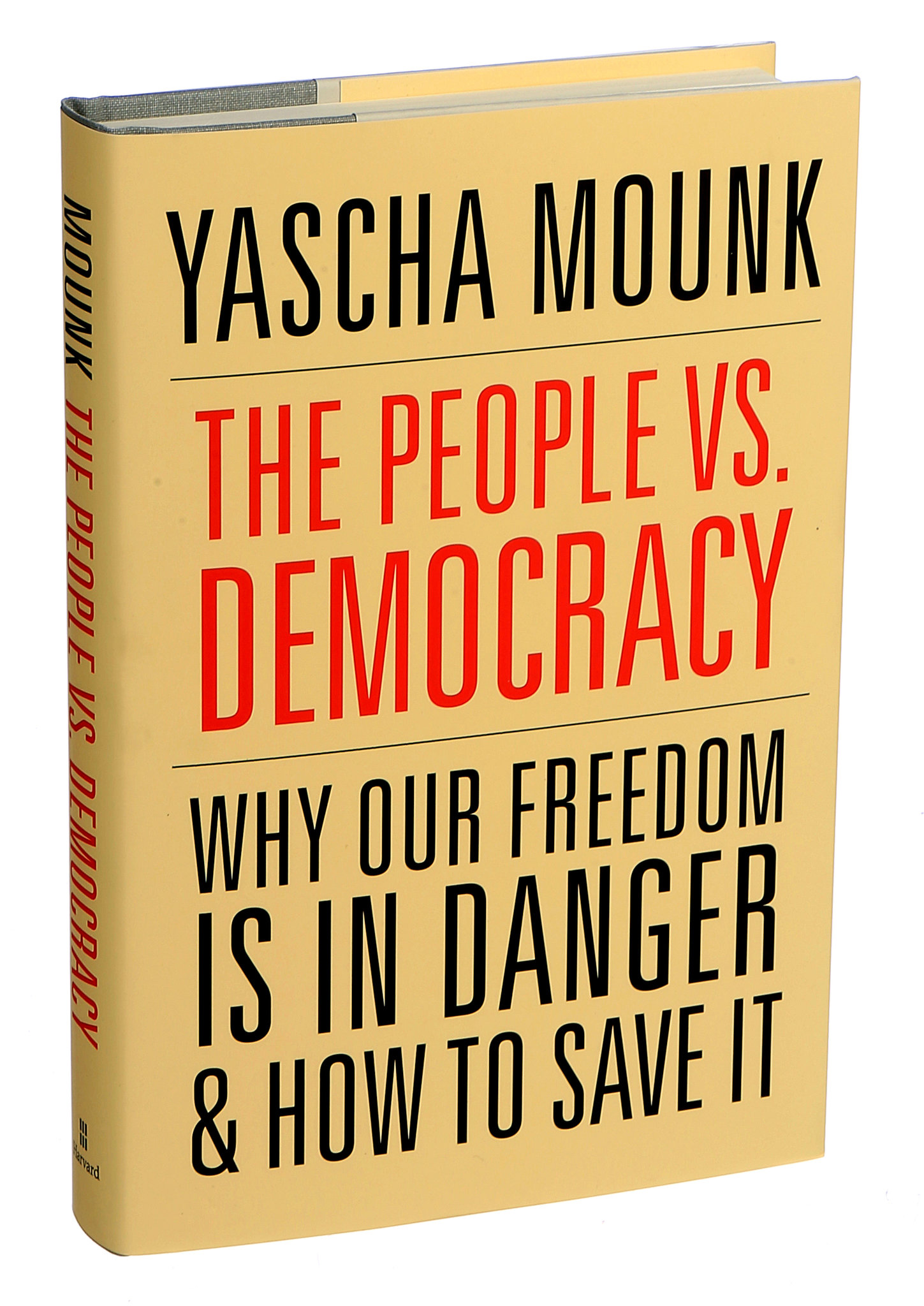
The book argues that liberal democracy is decomposing into two separate, warped forms: illiberal democracy (democracy without rights) and undemocratic liberalism (rights without democracy).
The Core Conflict
Mounk posits that the two pillars of our political system—individual rights and the popular will—are increasingly at odds:
- Undemocratic Liberalism: A system where individual rights and the rule of law are protected, but the political system is unresponsive to the people's will, often dominated by technocratic elites and the influence of money in politics.
- Illiberal Democracy: A system where elections still occur, but the winners use their mandate to suppress minority rights and dismantle democratic safeguards like the free press and independent courts.
Three Drivers of Discontent
Mounk identifies three primary factors fueling the rise of authoritarian populism and the "wilting away" of democratic trust:
- Stagnating Living Standards: Decades of economic stagnation for many citizens have eroded the promise that each generation will be better off than the last.
- The Rise of Multiethnic Democracy: Increasing diversity and migration have triggered a backlash among some who fear a loss of traditional national identity.
- The Impact of Social Media: New communication technologies have made it easier for extremist voices to find each other and bypass traditional media gatekeepers, facilitating the spread of populist anger.
Proposed Solutions
The book concludes with a call for radical reforms to bridge the gap between government and the governed:
- Economic Reform: Enacting policies that benefit the many rather than the few to restore faith in progress.
- Inclusive Patriotism: Replacing exclusionary nationalism with a sense of "domesticated" or inclusive belonging that can sustain a multiethnic society.
- Renewing Civic Faith: Actively rebuilding trust in democratic institutions and norms to "inoculate" citizens against the appeal of authoritarian "strongmen".
"Little Alleluias: Collected Poetry and Prose" by Mary Oliver
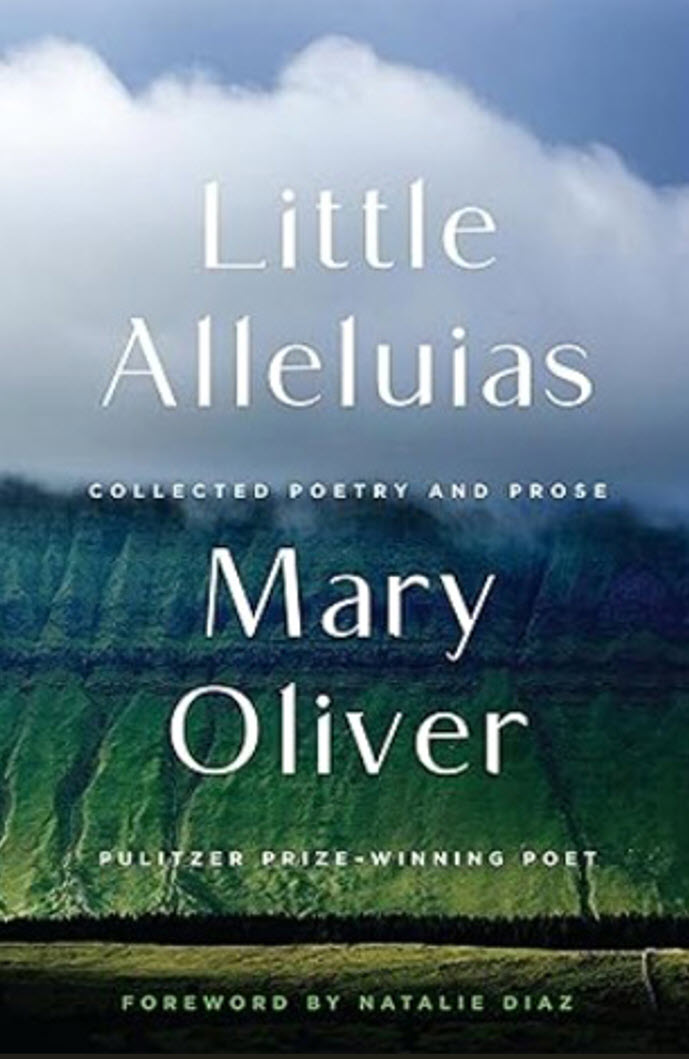
This book gathers together three distinct works from Oliver's mid-career into one volume:
- The Leaf and the Cloud: A book-length prose poem that has been described as a work of "glorious simplicity and tenderness".
- What Do We Know: A collection of poems and prose poems featuring meditations on the natural world, such as a moth's wing or a hundred white-sided dolphins.
- Long Life: Essays and Other Writings: A collection of short essays with a dozen interspersed poems, where Oliver shares her thoughts on nature, the wildlife that surrounds her in Provincetown, and other writers like Wordsworth, Emerson, and Hawthorne.
Oliver encourages readers to pause, observe, and give thanks for the world around them, exploring core themes such as:
- The Beauty of the Natural World: Oliver celebrates the wonder of nature, from "lilies, or wrens, or trout" to "a spider in her key-lock", inviting readers into a "reverent communion" with the environment.
- Attention and Gratitude: It's important to pay attention to the details of life as a form of spiritual practice and a way of offering "praise to the world".
- Spirituality and Transcendence: Her works often explore the connection between the soul and the landscape, seeing nature as a source of safety, love, and a way to connect with the sublime.
- The Purpose of Life: Oliver's writings implicitly ask readers how they plan to spend their "one wild and precious life," emphasizing living with intention and finding joy in everyday moments.
Overall, "Little Alleluias" is a profound exploration of a life lived with deep attention and gratitude, offering readers solace and inspiration through Oliver's accessible and insightful observations of the world.
"Making the Best of What's Left: When You're Too Old to Get the Chairs Reupholstered" by Judith Viorst
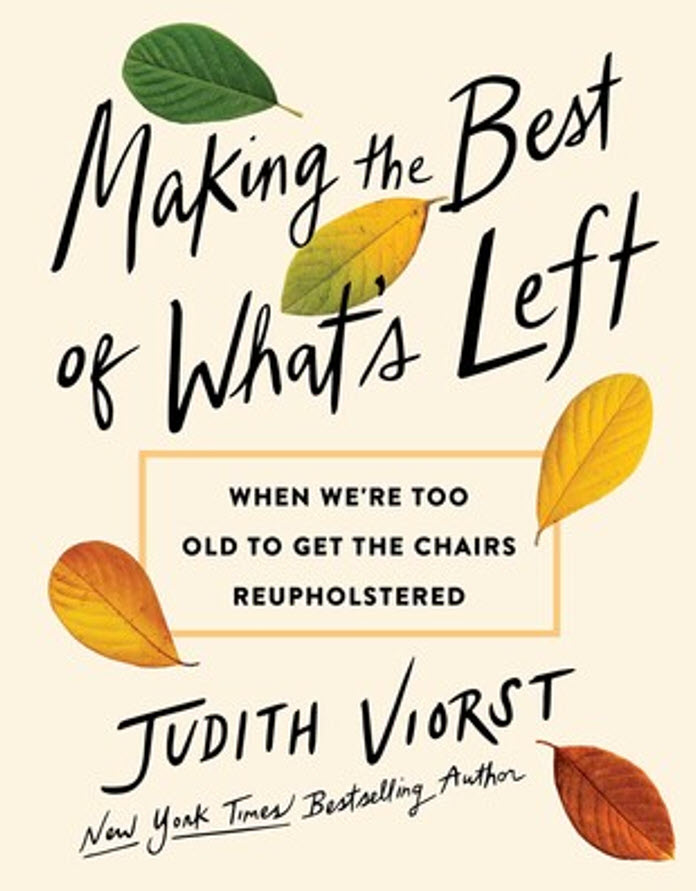
This is a humorous and poignant collection of essays and poems reflecting on the joys and sorrows of life in one's nineties. Viorst describes this period as the "Final Fifth" of life, candidly sharing her personal experiences with aging, loss, and finding purpose.
The book includes personal anecdotes, observations, and poems, offering a candid and often funny look at difficult issues such as physical and mental decline, the loss of loved ones, and adjusting to new living situations.
Key themes include:
- Downsizing and Moving: Viorst recounts the challenging transition she and her late husband made from their beloved Washington, D.C. home of over 50 years to an apartment in a retirement community.
- Widowhood and Grief: A significant portion of the book deals with the profound grief and loneliness Viorst experienced after her husband of 60 years died in 2022, and her process of adapting to life as a widow.
- Aging and Mortality: Viorst discusses the physical changes and health concerns that come with old age, and grapples with questions about mortality and the afterlife, blending humor with vulnerability.
- Finding Joy and Community: Despite the losses, she emphasizes the importance of staying physically and mentally active, connecting with others, and finding joy and purpose in everyday life. She shares stories from her contemporaries in the retirement community who continue to work, volunteer, and make new inter-generational friends.
- Wisdom and Happiness: The author reflects on the late-life meanings of wisdom, happiness, and second chances, offering an optimistic perspective on making the best of the time one has left.
"Healthy to 100: How Strong Social Ties Lead to Long Lives" by Ken Stern
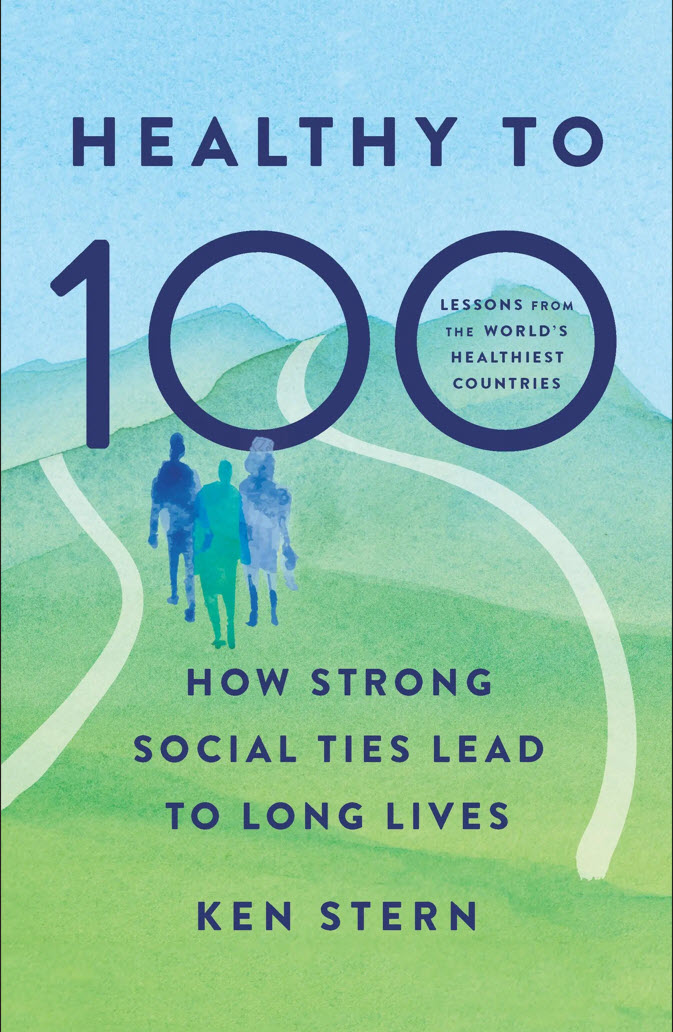
This book argues that meaningful social connections are the true secret to a long, healthy, and thriving life, often outweighing traditional factors like diet and exercise.
Stern's central premise is that social health is the foundation of successful aging.
Key Themes and Takeaways
- Social Connection as a Longevity Factor: The book presents research showing that physical and mental health outcomes are significantly improved by strong relationships and social engagement. Lack of connection triggers a stress response in the body, which is detrimental to health.
- The Four Pillars: Stern identifies four non-negotiable pillars that form the foundation of a long, fulfilling, and socially connected life:
- Attitude: Cultivating a positive view of aging and actively combating negative ageism.Intergenerational
- Connectedness: The health benefits derived from connecting with people of different ages.
- Sense of Purpose: Maintaining an active, engaged life and feeling valued by society (e.g., Japan's concept of ikigai, the happiness of always being busy).
- Respect for Older Adults: The societal value and respect given to older individuals.
- A Blueprint for Change: Healthy to 100 is presented as a roadmap for individuals and societies to better the "second half of life." It calls for a fundamental mindset shift and the purposeful building of social infrastructure to combat the loneliness epidemic and promote healthy aging.
The book ultimately provides a hopeful, research-backed model for a longer, healthier life by focusing on human connectivity.
"Why Brains Need Friends" by Ben Rein
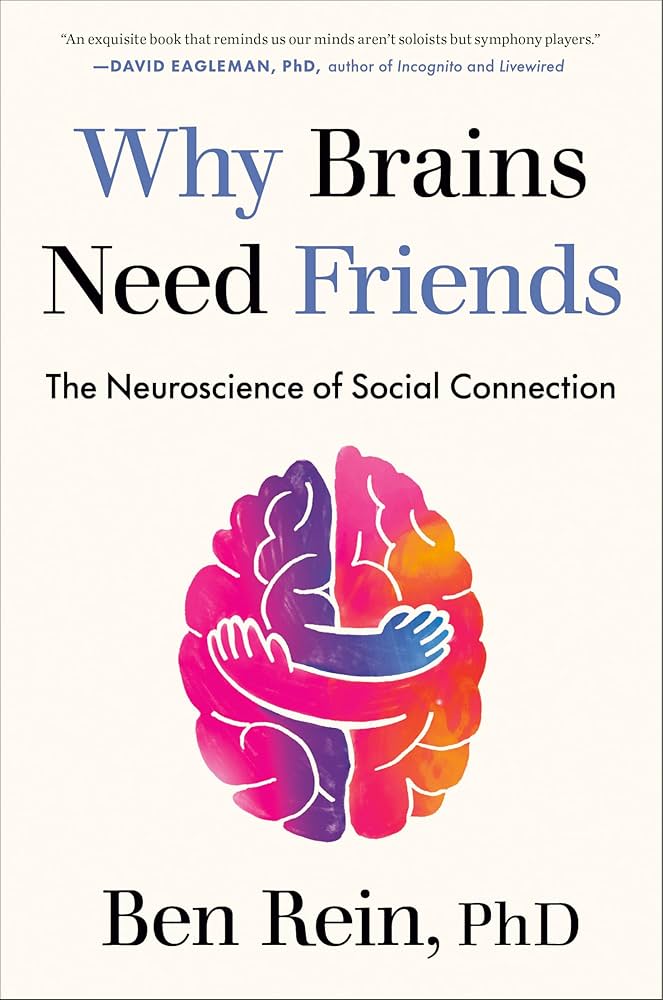
As senior men who participate in the Greenwood men's group and other community groups, we understand the importance of social connections.
This book explores the neuroscience behind social connection, arguing that our brains are wired for community and that modern isolation is detrimental to our physical and mental health.
It explains how social interactions release "rewarding chemicals" and protect against stress, while isolation is linked to increased risks for various health issues.
It provides insights and strategies for fostering social bonds in a post-interaction world to improve overall well-being.
- The science of social connection: The book explains the biological factors behind why socializing feels good, such as the release of "rewarding chemicals" in the brain. It also details how isolation is processed by the brain as a long-term stress response, leading to increased cortisol levels and negative impacts on mood.
- The impact of isolation: Rein highlights the dangers of social isolation, which he describes as agonizing and potentially life-shortening. The book discusses the link between loneliness and increased risks for various health challenges.
- Bridging the gap between virtual and in-person interactions: The book examines how the brain processes online interactions differently from in-person encounters and provides a neuroscience-backed approach to building and maintaining social connections.
- Practical advice and strategies: Through scientific discoveries, storytelling, and data-driven advice, the book offers strategies for improving social life to maximize mental and physical benefits. This includes leveraging social interactions, no matter how small, for the benefit of your brain.
- Broader implications: Rein argues that our brain health is critical to our overall well-being and that prioritizing connection is a crucial step toward happiness and health in today's society.
"The Subtle Art of Not Giving a F*ck" by Mark Manson
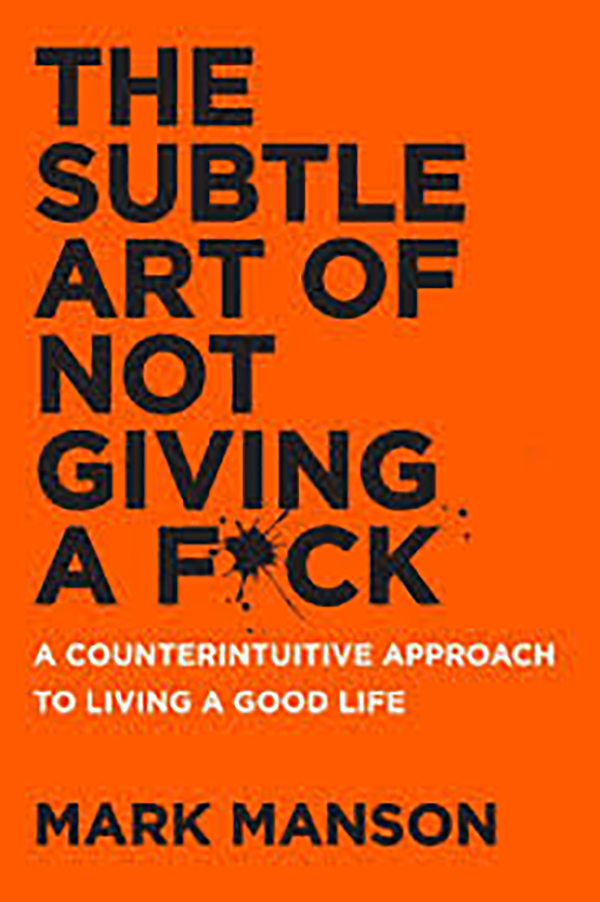
This book challenges the banalities of the self-help industry. The author, Mark Manson, proposes the key to a good life is learning to accept your limitations and failures and focusing on what you truly care about.
Here's synoposis of the themes in the book:
The "Backwards Law": The pursuit of happiness is itself a source of unhappiness. Trying to be positive all the time highlights what we lack, creating a negative experience. By contrast, accepting our negative experiences paradoxically leads to more positive feelings.
Embracing struggle: Life is an endless series of problems. The secret to a good life is not avoiding problems but finding the problems you enjoy having and are willing to struggle for. Happiness is found in the process of solving these problems, not in their absence.
You are not special: The constant social media highlight reel and consumer culture have led many to believe they are entitled to an extraordinary life. Accepting who you are -- for the most part, "average" -- is liberating. It relieves the pressure to be exceptional and allows you to appreciate life's ordinary but genuinely meaningful experiences.
Responsibility vs. fault: There is a key distinction between being at fault for a problem and being responsible for it. While you may not be at fault for certain events (like being born with an illness), you are always responsible for how you respond to them. Accepting this responsibility is the first step toward gaining power over your life.
Values define your "f*cks": The most crucial aspect of the book is choosing what is worth caring about. Adopting "good" values that are reality-based, socially constructive, and controllable, such as honesty, standing up for yourself, and humility. In contrast, "bad" values like popularity, constant pleasure, and material success are uncontrollable and lead to suffering.
The importance of "No": By committing to certain values, you must be willing to reject what is not those values. Saying "no" to things that don't matter is essential for having strong boundaries and allowing you to go deeper into the relationships and goals that do matter.
Confronting mortality: Confronting the reality of your own death is a powerful tool for re-evaluating what is truly important in life. When you stop denying your mortality, you can focus on creating meaning and joy in the moment, rather than trying to build an "immortality project".
Essentially, this book is a guide to prioritizing what truly matters.
Being Mortal: Medicine and What Matters in the End
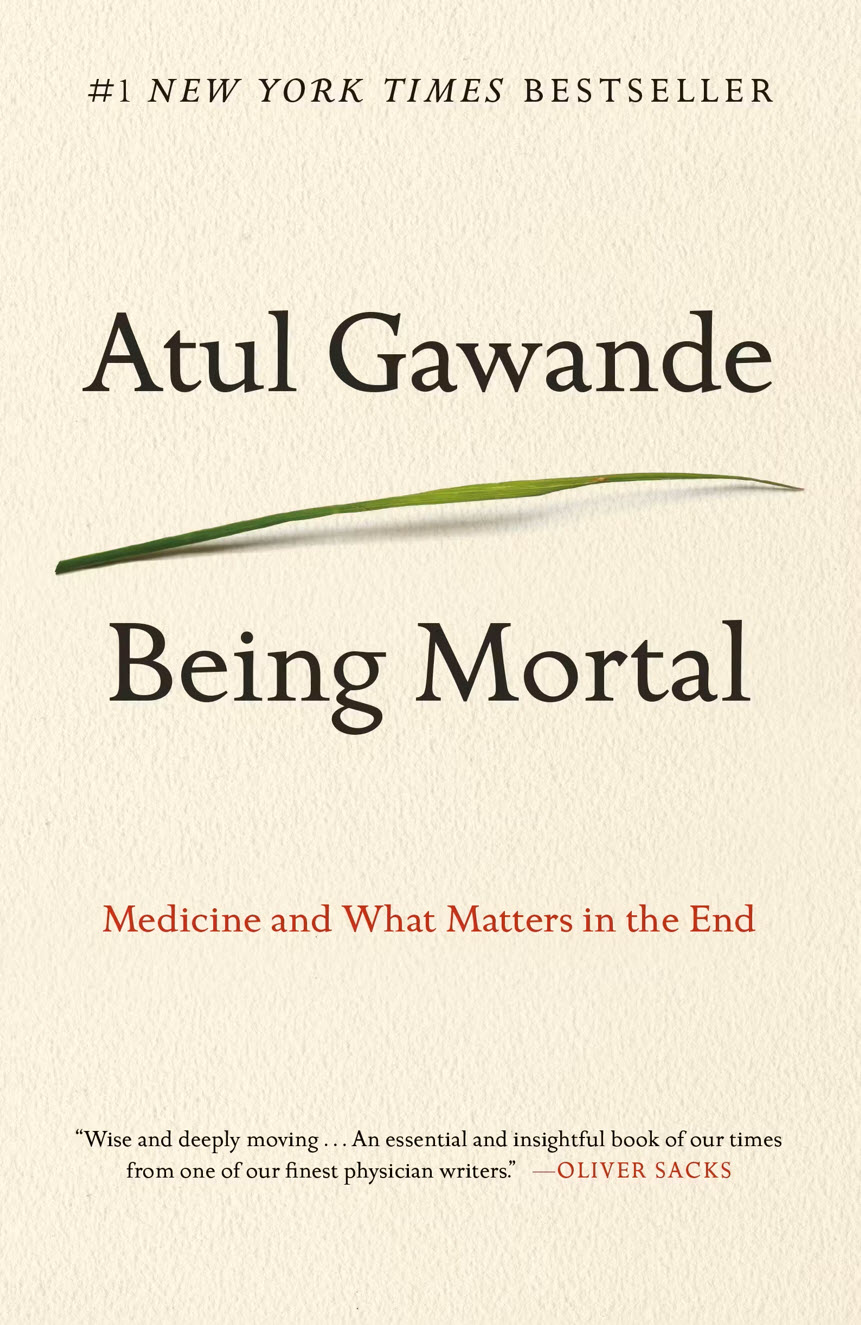
Surgeon Atul Gawande argues that modern medicine often fails the elderly and terminally ill by prioritizing extending life over quality of life. He contends that the medical system should focus on enabling well-being, dignity, and independence, allowing patients to maintain a meaningful existence until their final days.
22 Life-Changing Books Summarized in 28 Minutes from Mark Manson
33 More Life-Changing Books Summarized in 20 Minutes from Mark Hanson
You might like these
What is well-being and as a mature man, do you have it?
To what extent are you experiencing well-being in your life? Learn more here.
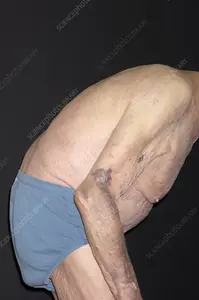
Brittle bones - older men at significant risk of osteopenia
Osteopenia (bone loss) is underdiagnosed in senior men - what you can do
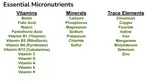
Seattle and Greenwood Senior Men May Be Low in Micronutrients
Older men in Greenwood and Seattle Risk Their Health if Low in Micronutrients
What medical research says about supplements discussed in men's group
N.D. presented ideas for improving our health: supplements, hydrogen gas, etc.
Optimal health is more than absence of disease
Optimal health is positive physical, mental, and social well-being, resilience, and the capacity to adapt and flourish
A Good Night's Sleep Clears Out Brain Toxins in Elderly Men
Every man in the Greenwood Men's Group needs to sleep well to clear out brain toxins










The mission of of seattleseniormen.com and greenwoodmensgroup.com is to provide a supportive environment where men from diverse backgrounds can foster camaraderie, develop friendships, share wisdom, enrich one another's lives -- and contribute to all Seattle communities, including Greenwood, Ballard, Crown Hill, Fremont, Green Lake, Licton Springs, Loyal Heights, Magnolia, Phinney Ridge, Ravenna, Sunset Hill, Wallingford, Wedgwood, Whittier Heights. Bitter Lake, Broadview, Haller Lake, Queen Anne, and beyond.
Recent Articles


-
Senior men need to hear good news about their environment
Sep 15, 26 06:56 PM
Good news lifts the spirits and improves health of older men -
Priorities and concerns of older men
Sep 12, 26 10:55 PM
Are your health and other concerns the same as other senior men? -
Greenwood Men's Group - Upcoming Events and Activities in Seattle Area
Sep 02, 26 12:02 AM
List of upcoming events for the Greenwood Men's Group in Seattle