GMG Upcoming Events
- >> Click here for upcoming event details! <<
- 9/21: Bocce Ball, 2pm, WPLBC
- 9/28: Build Tiny Houses, 9am-2pm
- 10/5: Pickleball/Cornhole, 2pm, LHCC
- 10/6 (Tuesday): Breakfast Group, 9:30am, Pacha Cafe
- 10/6 (Tuesday): Planning Group Meeting, 2pm, GSC
- 10/12: Elderhood: "Joy, Curiosity and Growth", 2pm, GSC
- 10/19: Bocce ball, 2pm, WPLBC
- 10/26: Murder Mystery Game program, 2pm, GSC
- 11/2: Pickleball, 2pm, LHCC
- 11/3 (Tuesday): Breakfast Group, 9:30am, Serendipity Cafe
- 11/9: Piper's Creek Salmon Run, 2pm, Carkeek Park
- 11/16: Bocce Ball, 2pm, WPLBC
- 11/23: Amazing Vitality Secrets from Our 95-Year-Old Neighbor, 2pm, GSC
- 11/30: "Show & Tell", 2pm, GSC
- 12/3 (Thursday): Elderhood - Loss & Grief, 2pm, GSC
- 12/7: Pickleball, 2pm, LHCC
- 12/14: "Senior Olympics", 2pm, GSC
- 12/21: Bocce Ball, 2pm, WPLBC
- 12/28: Special Movie, 2pm, GSC
- Other possible events for 2026-2027
Missed an event? Find out what happened here!
Are You Aging Well? 3+1 Simple Tests to Find Out
Take a moment to consider the last decade of your life. What type of physical shape do you intend to be in? And what are the activities you want to be able to continue doing?
There are a few basic tests you can give yourself to gauge your current strength, power, cardiovascular fitness and balance -- all of which will influence your physical abilities going forward. These tests are indicative of your longevity and independent living.
They're indicators for activities you want to be able to do in old age, like getting down on the floor to play with grandchildren, walking around Green Lake, playing a sport, or traveling and exploring a new location by foot.
Here are the first three tests to assess where you currently stand. If you don’t perform as well as you hoped, research shows that you can improve your performance by increasing and being more consistent with your exercise.
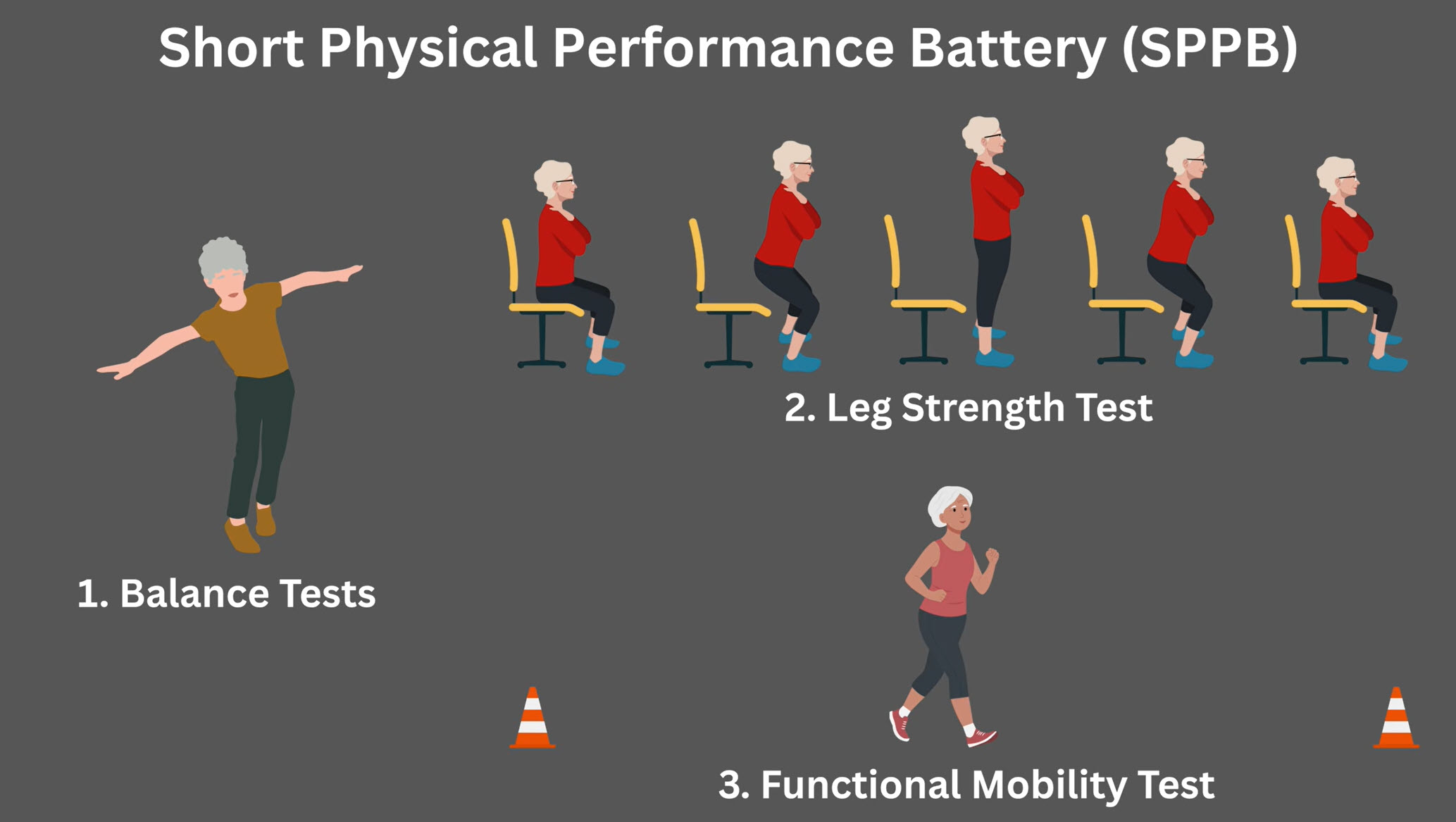
The video below shows you how to perform these tests (recommended). Or, you can keep on reading.
1. Sitting-Rising Test
The test evaluates strength, power, balance and flexibility.
The goal with this assessment is to go from standing to sitting on the floor, and back up again, using the least amount of support as possible.
The test is scored on a 10-point scale -- five points for sitting down and five points for standing up -- and you lose a point for every hand, knee or other body part you use to help yourself. Subtract a half point if you’re unsteady or lose your balance.
Anyone over 60 who gets an 8 is thought to be in good shape.
1.5. Chair Stand Test
If you can't perform the above test, perhaps the Chair Stand Test (aka the sit-to-stand test) is something you can do.
It's a simple way to measure lower-body functional strength, balance, and endurance. Primarily utilized for older adults, the test serves as a key indicator of your independence in daily activities and is a screening tool for fall risk assessment.
There are two types of this test.
- The 30-Second Chair Stand Test: Measures endurance and power by counting the total number of full repetitions completed within a 30-second time limit.
- The 5-Times Sit-to-Stand Test: Measures pure functional strength and dynamic balance by timing how long it takes to complete exactly 5 full repetitions.
2. Walking Speed Assessment
How fast you walk at your normal gait is an important indicator of functional ability and vitality.
To assess your walking speed, measure out four meters (about 13 feet) on a straight, flat surface, and time how long it takes you to cover the distance. Walk at your normal speed. People of all ages should aim for a gait of at least 1.2 meters per second, a little over three seconds total, according to some researchers.
It's a good idea to retest yourself every few months. A change in the value can be a warning sign. While walking feels like a simple task, it requires proper functioning of the cardiovascular, musculoskeletal, vestibular (balance), sensory and nervous systems. A slower gait could indicate that there's a problem in any one of those systems that may need to be investigated.
3. Grip Strength Test
A grip strength test is a helpful indicator for how active you are in your daily life. It's a simple, inexpensive method for assessing risk for all-cause death, cardiovascular death, and cardiovascular disease. You need adequate grip strength in order to maintain independence with household tasks.
When you’re using your hands more, it’s probably because you’re doing things more -- carrying groceries, opening the car door, pulling a heavy dish out of the oven, or picking up a grandchild. All of these things increase your grip strength.
A doctor or physical therapist typically assesses grip strength using a device called a dynamometer. Or, you can purchase a dynamometer online.
If you don't have access to a dynamometer, try walking for 60 seconds while holding a heavy weight in each hand. Start with lighter weights and work your way up to heavier ones over time. Stop if you experience hand or body pain. Some practitioners think a 65-year-old man could carry two 40-pound dumbbells and an 85-year-old two 25-pounders. If you can't do this much weight, don't worry about it; each person is different.
4. Single-Leg Stand Test
Just as strength naturally declines with age, so does balance. And that raises the risk for falls -- a major cause of injury and death in older adults.
Testing your balance is as simple as standing on one leg. Aim for a minimum of 10 seconds on at least one side. For an added challenge, you might try this with your eyes closed, or with your arms crossed.
But don't be too surprised if you can't balance on one foot at all, or you can only balance for 1-3 seconds.
Synthesizing across studies, roughly 80–90% of men aged 65–69 can balance on one leg for at least 10 seconds, declining to approximately 55–76% for those in their 70s and dropping below 56% after age 80.
Inability to complete the 10-second test is independently associated with an 84% higher all-cause mortality after adjusting for age, sex, BMI, and comorbidities.
One-leg balance stance declines fastest of all physical measures. Duration of balance deteriorates at approximately 2.2 seconds per decade, exceeding the decline rate for grip strength, knee strength, and gait measurements.
This why the balance test is so important for assessing your future health prospects.
It's Never Too Late to Improve Your Physical Fitness
If you think you've performed poorly on these tests, don't worry about it. It's just data that is telling you that you have some work to do.
Your job is to get busy with a program to improve your physical abilities.
It’s never too early to begin training for your later years. You naturally lose strength and muscle mass with age, so you want your starting point to be as good as possible. Getting a head start on training is “money in the bank".
It’s also never too late to improve your physical abilities. Even men in their 90s can make gains in strength and function with a modest amount of activity.
For example, in the video below, you can see some very simple agility exercises you can do at home to improve your reaction time.
A Brief Word about Sarcopenia (Muscle Loss)
For older men, sarcopenia is a serious threat to continued functional health and longevity.
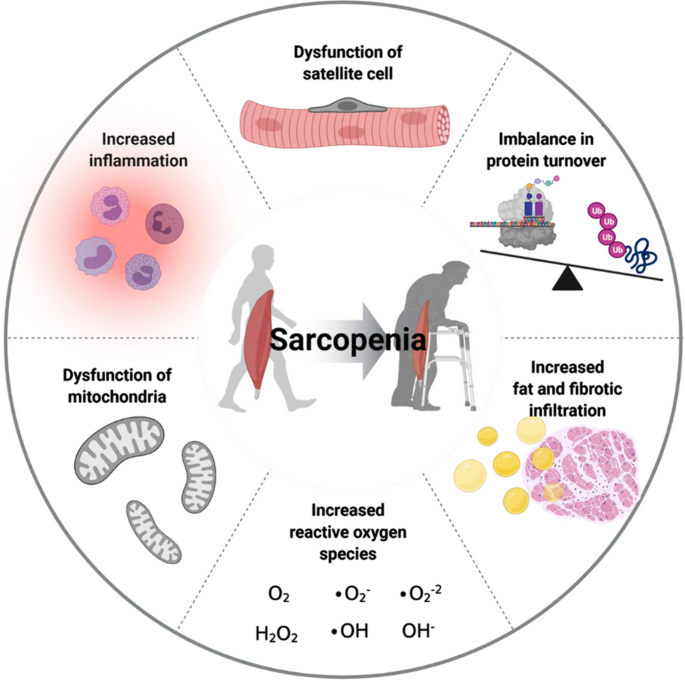
It is imperative that you take consistent steps to slow down your rate of muscle loss. If you don't, the consequences can be devastating.
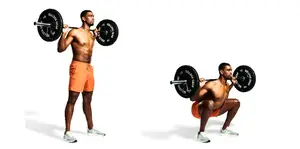
A primary area to focus on is your lower body strength. Below is a video describing a few home exercises you can do safely at home.
References
1. Hayes C, Yigezu A, Dillon S, et al. Home‐Based Comprehensive Geriatric Assessment for Community‐Dwelling, At‐Risk, Frail Older Adults: A Systematic Review and Meta‐Analysis. Journal of the American Geriatrics Society. 2025;73:1929 - 1939. doi:10.1111/jgs.19402
2. Patrizio E, Calvani R, Marzetti E, Cesari M. Physical Functional Assessment in Older Adults. The Journal of Frailty & Aging. 2020;10:141-149. doi:10.14283/jfa.2020.61
3. Moreira J, Melo A, Santos RS, Sousa ASP. Indicators and Instruments to Assess Components of Disability in Community-Dwelling Older Adults: A Systematic Review. Sensors (Basel, Switzerland). 2022;22. doi:10.3390/s22218270
4. Fang W, Phung H, Olley R, Lee P. The Major Domains of Comprehensive Assessment Tools for Older Adults Requiring Home-Based Aged Care Services: A Systematic Review. Healthcare. 2024;12. doi:10.3390/healthcare12232468
5. Jepsen BD, Robinson K, Ogliari G, et al. Predicting falls in older adults: an umbrella review of instruments assessing gait, balance, and functional mobility. BMC Geriatrics. 2022;22. doi:10.1186/s12877-022-03271-5
6. Wong Y, Hang J, Francis-Coad J, Hill A. Using comprehensive geriatric assessment for older adults undertaking a facility-based transition care program to evaluate functional outcomes: a feasibility study. BMC Geriatrics. 2022;22. doi:10.1186/s12877-022-03255-5
7. Deví J. The scales of functional assessment of Activities of Daily Living in geriatrics.. Age and ageing. 2018;47 4:500-502. doi:10.1093/ageing/afy050
8. Lawton M, Brody E. Assessment of older people: self-maintaining and instrumental activities of daily living.. The Gerontologist. 1969;9 3:179-86. doi:10.1097/00006199-197005000-00029
9. Aramendi AA, Weakley A, Aztiria A, Schmitter-Edgecombe M, Cook D. Automatic assessment of functional health decline in older adults based on smart home data. Journal of biomedical informatics. 2018;81:119 - 130. doi:10.1016/j.jbi.2018.03.009
10. Van Schooten KS, Steffens D, Engeler A, et al. Remote assessment of physical function in older people: feasibility, safety and agreement with in-person administration. Age and Ageing. 2025;54. doi:10.1093/ageing/afaf266
11. Villar R, Beltrame T, Santos GFD, Zago AS, Bocalini DS, Júnior FPL. Test–retest reliability and agreement of remote home-based functional capacity self-administered assessments in community-dwelling, socially isolated older adults. Digital Health. 2024;10. doi:10.1177/20552076241254904
12. Fyfe J, Sousa F, Watson-Mackie K, Jansons P, Scott D, Daly RM. Remote physical function testing in older adults: a mixed methods study exploring test reliability, feasibility, and perceptions of participants and assessors. PLOS One. 2025;20. doi:10.1371/journal.pone.0332691
13. Yin L, Song W, Skowronski J, Caceres M. ASSESSING MOTOR FUNCTION IN FRAIL OLDER ADULTS IN THEIR HOME SETTING: CHALLENGES AND OPPORTUNITIES. Innovation in Aging. 2023;7:550 - 551. doi:10.1093/geroni/igad104.1806
14. Quinn T, McArthur K, Ellis G, Stott D. Functional assessment in older people. BMJ : British Medical Journal. 2011;343. doi:10.1136/bmj.d4681
15. Yin L, Caceres M, Skowronski J, Muramatsu N. Assessing Motor Function in Frail Older Adults in Their Home Settings: Challenges, Strategies and Recommendations. International Journal of Environmental Research and Public Health. 2023;20. doi:10.3390/ijerph20156515
16. Schwenk M, Mohler J, Wendel C, et al. Wearable Sensor-Based In-Home Assessment of Gait, Balance, and Physical Activity for Discrimination of Frailty Status: Baseline Results of the Arizona Frailty Cohort Study. Gerontology. 2014;61:258 - 267. doi:10.1159/000369095
17. Ravishankar V, Burleson W, Mahoney D. Smart Home Strategies for User-Centered Functional Assessment of Older Adults. International Journal of Automation and Smart Technology. 2015;5:233-242. doi:10.5875/ausmt.v5i4.952
18. Batsis J, Singh R, Poole JG, et al. A Preliminary Usability Evaluation of an Artificial Intelligence-based, motion-detecting Wearable device: the Geriatric Functional Assessment System.. The journals of gerontology. Series A, Biological sciences and medical sciences. 2025. doi:10.1093/gerona/glaf044
You might like these
Timed Static Contraction Is Isometric Exercise for Men's Health
Older men need timed static isometric contraction to avoid sarcopenia and get stronger
Greenwood Men's Group in Seattle Walks in Neighborhoods & Parks
Greenwood senior men enjoy walking in local neighborhoods and parks - great comaraderie!
Exercise tips and nuggets that senior men can use
A collection of exercise ideas for senior men
The mission of of seattleseniormen.com and greenwoodmensgroup.com is to provide a supportive environment where men from diverse backgrounds can foster camaraderie, develop friendships, share wisdom, enrich one another's lives -- and contribute to all Seattle communities, including Greenwood, Ballard, Crown Hill, Fremont, Green Lake, Licton Springs, Loyal Heights, Magnolia, Phinney Ridge, Ravenna, Sunset Hill, Wallingford, Wedgwood, Whittier Heights. Bitter Lake, Broadview, Haller Lake, Queen Anne, and beyond.
Recent Articles


-
Senior men need to hear good news about their environment
Sep 15, 26 06:56 PM
Good news lifts the spirits and improves health of older men -
Priorities and concerns of older men
Sep 12, 26 10:55 PM
Are your health and other concerns the same as other senior men? -
Greenwood Men's Group - Upcoming Events and Activities in Seattle Area
Sep 02, 26 12:02 AM
List of upcoming events for the Greenwood Men's Group in Seattle